Was Walter Peak Affected By A Fire?
A plain account of the October 2026 vegetation fire near Walter Peak Station, what it touched, what it spared, and what it means for a farm visit booked today.
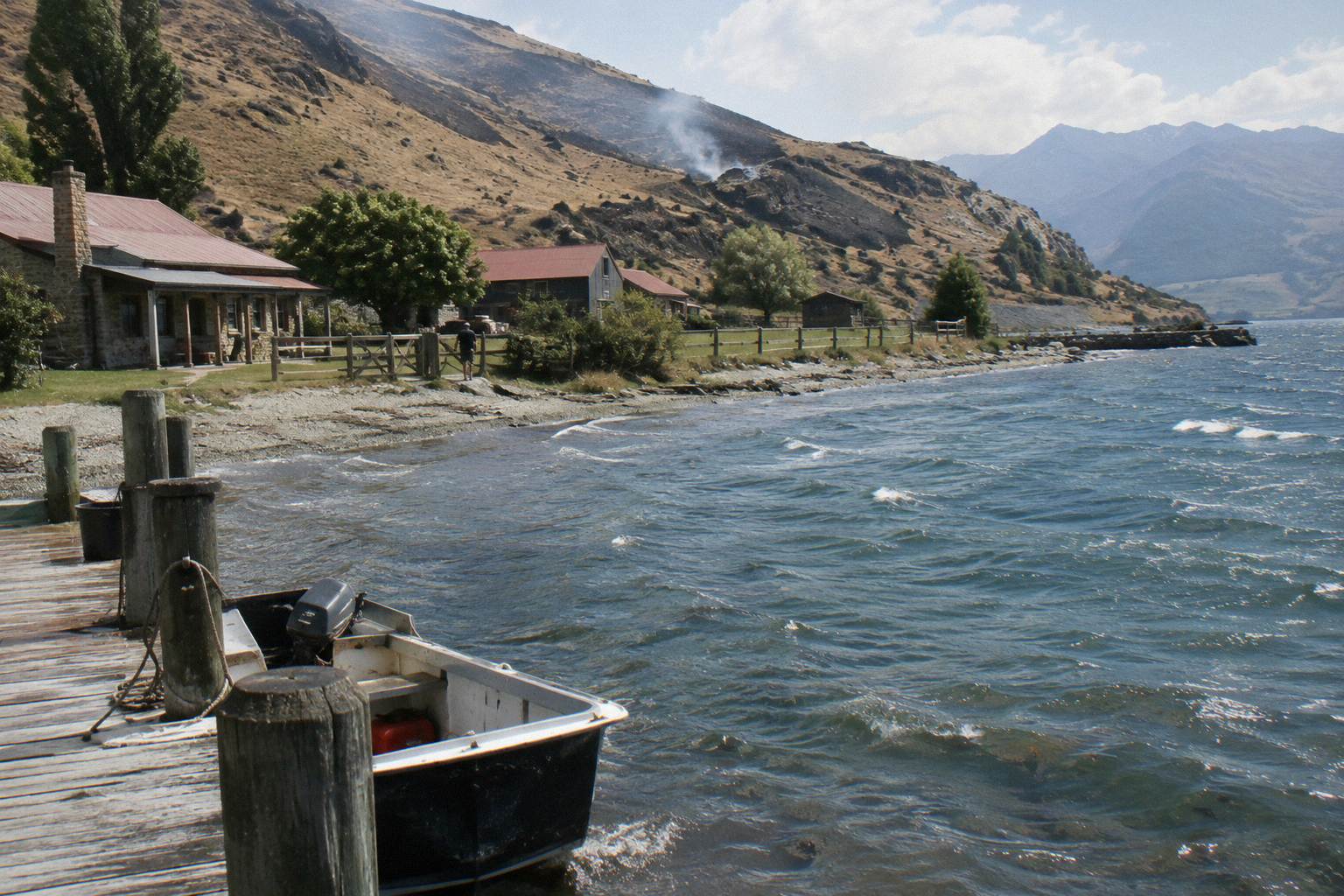
Walter Peak sits on the western shore of Lake Whakatipu, and most visitors reach it through a lake crossing followed by a landing at the farm. That crossing and that landing are what most people are really asking about when they type a question about fire into a search box: did the thing burn, and can a booked day still go ahead. If you are still choosing between the ways to visit, the comparison of Walter Peak experiences walks through them side by side.
| Fact | Detail |
|---|---|
| Fire start | Afternoon of Tuesday 6 October 2026, near Walter Peak Station |
| Fuel burned | Tussock, scrub and some trees |
| Area at 3pm on 6 October | About 146 hectares mapped |
| Area by evening, 6 October | About 390 hectares |
| Area at its largest | About 1,350 to 1,400 hectares |
| Properties crossed | Walter Peak Station, Cecil Peak Station, adjoining conservation land |
| Closest point to the homestead | Within 300 metres, on 6 October |
| People evacuated | About 350 guests and staff |
| Contained | Thursday 8 October 2026, by Fire and Emergency New Zealand |
| Losses | No homes, buildings or livestock lost; homestead undamaged |
Yes, a vegetation fire burned high country around Walter Peak Station in October 2026, but Walter Peak High Country Farm lost no buildings or livestock and its historic homestead was undamaged. Guests and staff were evacuated as a precaution on 6 October and sailings were suspended that day. A vegetation fire broke out near Walter Peak Station on the afternoon of Tuesday 6 October 2026. It burned tussock, scrub and some trees, and at its largest it covered about 1,350 to 1,400 hectares across Walter Peak Station, Cecil Peak Station and adjoining conservation land. The fire came within 300 metres of the historic homestead on the first day, about 350 guests and staff were evacuated as a precaution, and the blaze was declared contained on Thursday 8 October. No homes, buildings or livestock were lost, and the homestead was not damaged. Sailings on the lake were suspended on 6 October, the day the fire started.
That is the whole arc of the event in one paragraph, and it is worth holding the shape of it before the detail. The fire was large by any measure of hectares, it moved across three landholdings, and it ran close enough to a heritage building that an evacuation was ordered on the same afternoon it started. It was also stopped, formally, within two days, and the buildings that matter to visitors were not damaged. For a fuller picture of the station's history, see who owns Walter Peak, which covers the separate properties in more depth.
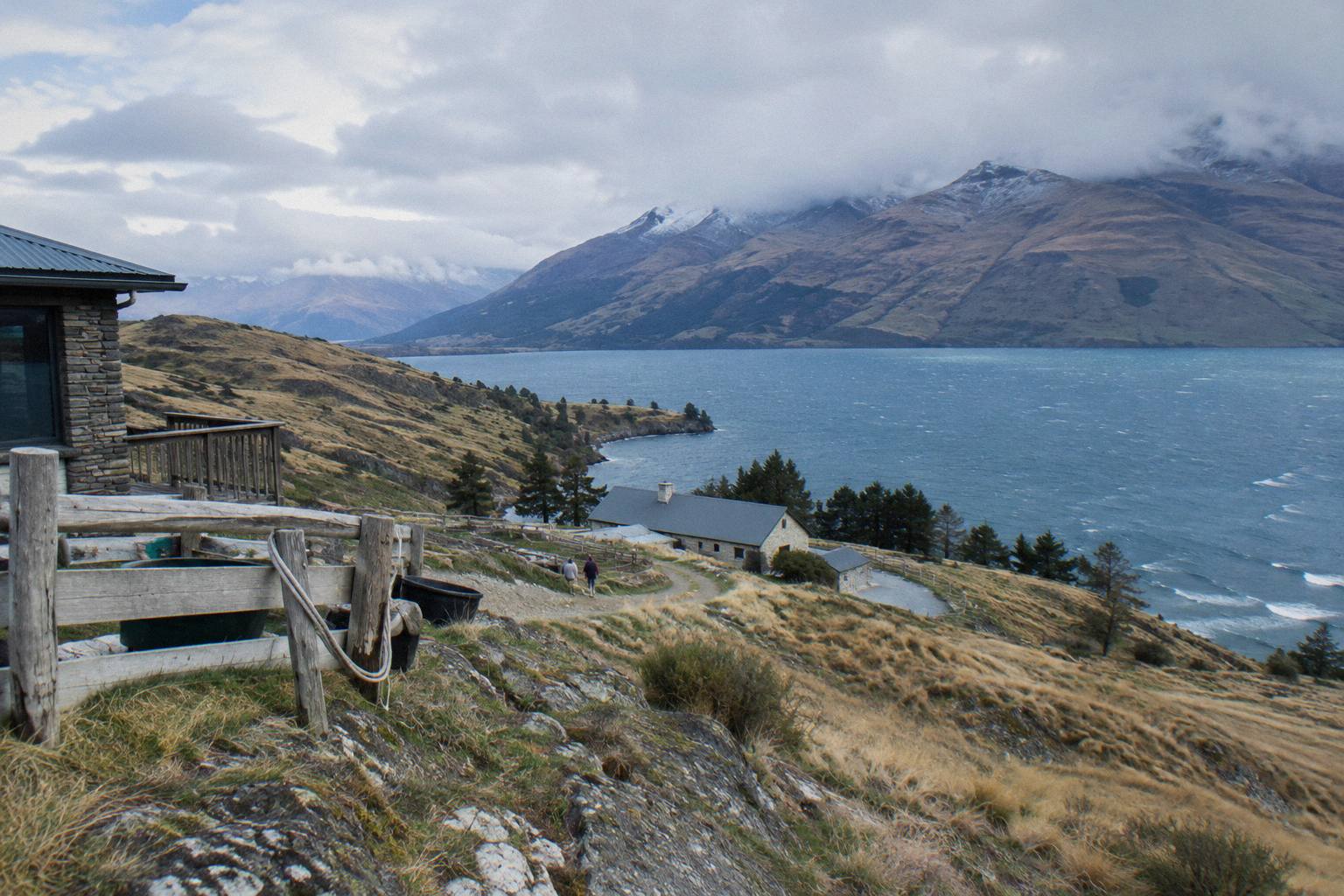
Reporting from the days of the fire gives the event its texture. RNZ covered the evacuation of guests and staff from the homestead area, quoting the RealNZ chief executive on how close the fire had come, and the RNZ report on the 1,400 hectare fire carries the mapped area figures used here. Photographs and descriptions from the day show smoke drifting across the lake toward Queenstown, which is why so many people saw it or heard about it and later asked the question this page answers.
Where The October 2026 Fire Burned, And Where It Stopped
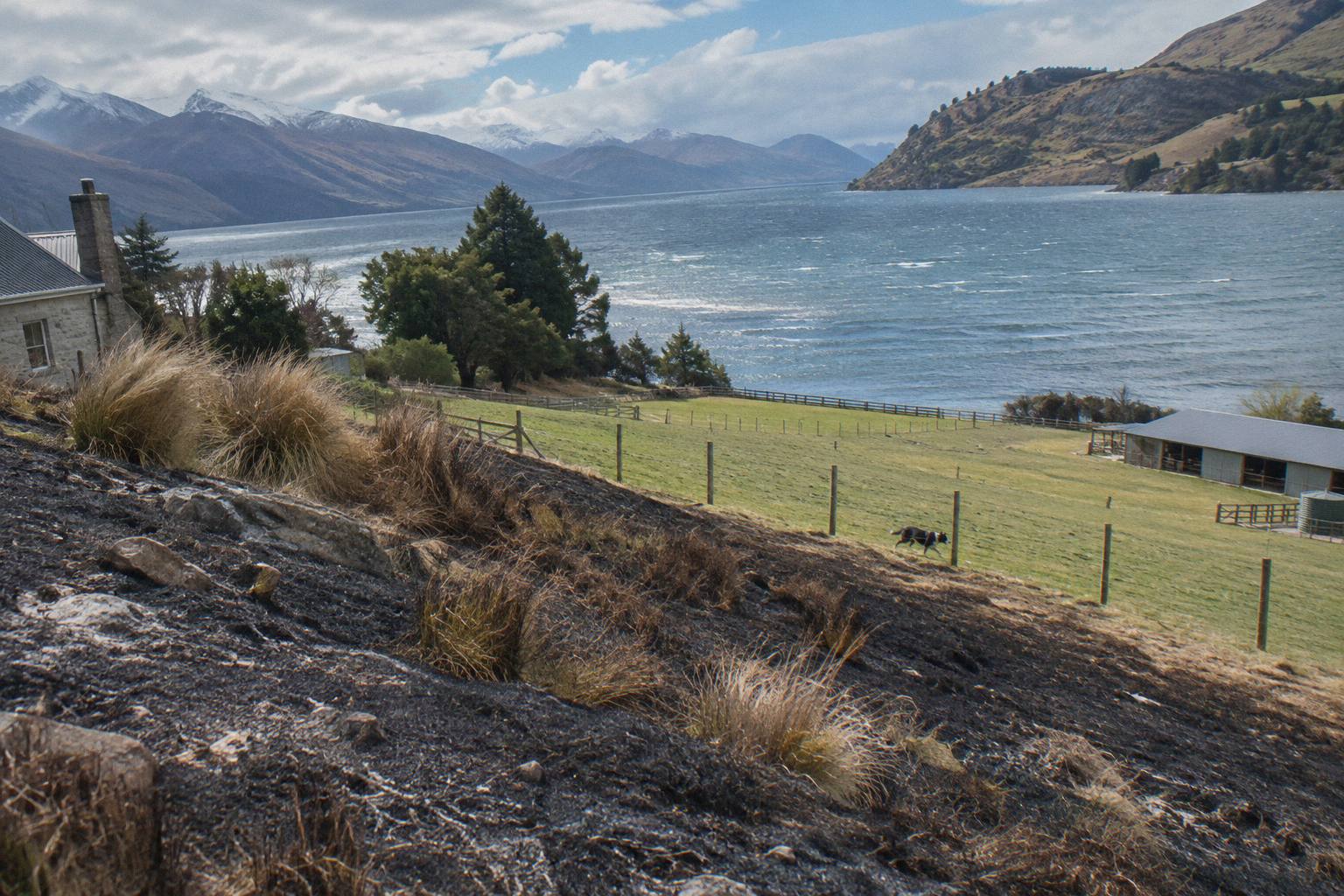
The October 2026 fire burned through tussock and scrub high country above the lake, on and around Walter Peak Station and Cecil Peak Station, along with adjoining conservation land. Firefighters stopped it before it reached any buildings or stock on either station. The first mapping on the afternoon of 6 October put it at about 146 hectares at 3pm. By that evening it was about 390 hectares. At its largest it ran to about 1,350 to 1,400 hectares. Fire and Emergency New Zealand declared the fire contained on Thursday 8 October 2026 and handed the fireground back to the landowners, and the vessel exclusion zone that had closed the Walter Peak shoreline was lifted the same day. No homes, buildings or livestock were lost anywhere in the fire area, and the homestead was undamaged. The cause remains under formal investigation and unresolved.
The spread over the two days reads like this:
| Time | What the reporting shows |
|---|---|
| Tuesday 6 October, afternoon | Vegetation fire breaks out near Walter Peak Station, burning tussock, scrub and some trees |
| Tuesday 6 October, 3pm | Mapped at about 146 hectares |
| Tuesday 6 October, evening | Mapped at about 390 hectares |
| Tuesday 6 October | Fire comes within 300 metres of the historic homestead; about 350 guests and staff evacuated |
| Wednesday 7 October | Firefighting continues; smoke drifts toward Queenstown and is visible across the lake |
| Thursday 8 October | FENZ declares the fire contained and hands the fireground to landowners; shoreline exclusion zone lifted |
| After 8 October | Cause remains under formal investigation; no homes, buildings or livestock lost |
Two parts of that timeline deserve emphasis because they answer the two things people most often get wrong. The first is scale: roughly 1,400 hectares of high country is a major fire, and nobody should downplay it. The second is consequence: hectares of tussock burned, and buildings did not. Both are true at once. The land that burned is steep, dry, sparsely inhabited grazing and conservation country, which is exactly the terrain where a vegetation fire can cover a lot of ground quickly without touching a structure. The Farmers Weekly report on containment records the handover to landowners on the 8th.
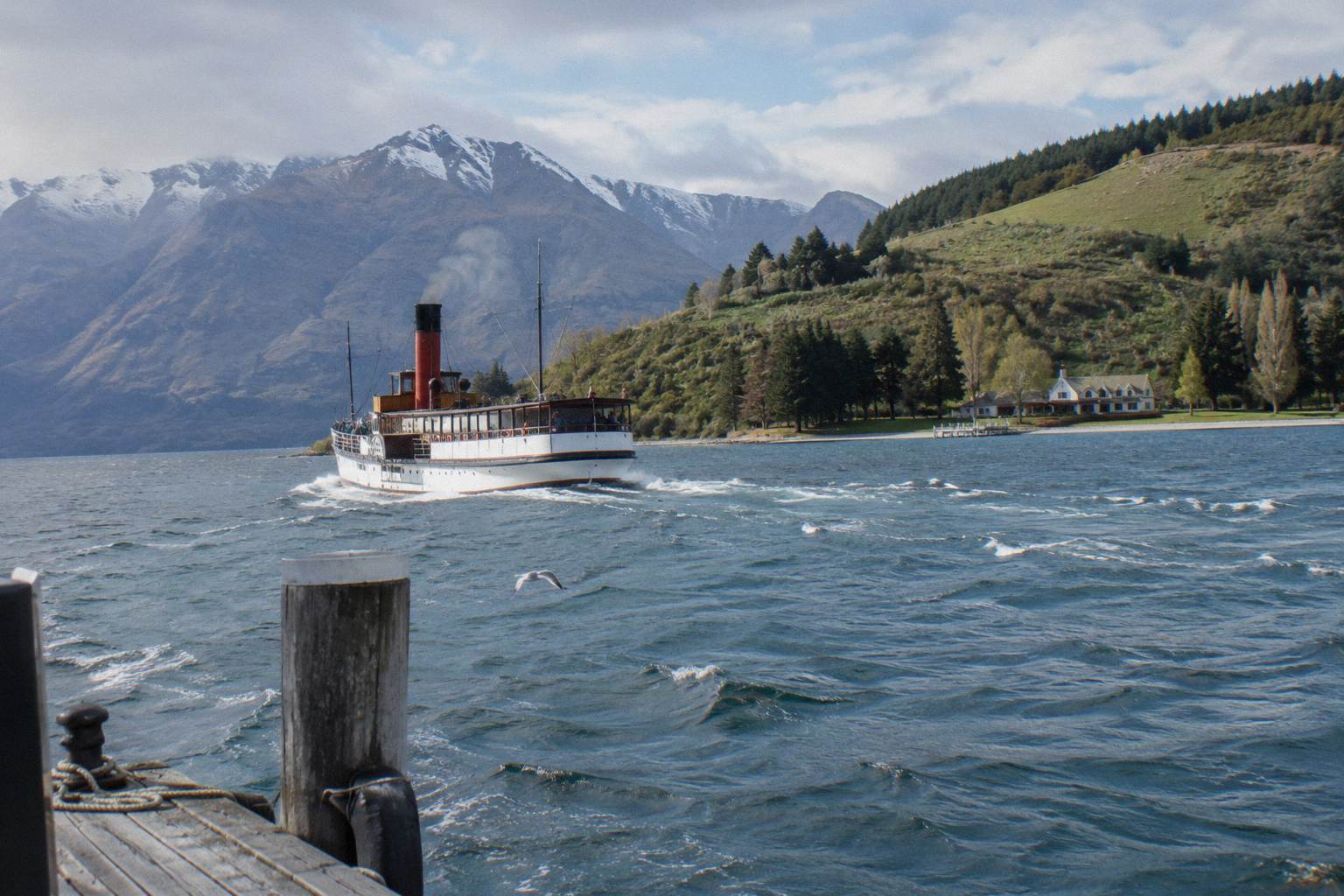
The vessel exclusion zone matters for readers thinking about the lake crossing. While the fire was running, the shoreline near Walter Peak was closed to vessels, which stopped lake traffic in that area. When FENZ lifted the zone on the day of containment, the water route to the farm was open again in principle, and the operator's experience pages show normal operation now. That is the limit of what the sources support: sailings were suspended on 6 October, and today's calendar is the place to confirm any specific date.
What Happened At The Colonel's Homestead On 6 October
The fire came within 300 metres of the Colonel's Homestead on the afternoon of 6 October, prompting the precautionary evacuation of roughly 350 guests and staff, but when the smoke cleared the building itself had not been damaged. The site escaped the flames that afternoon. Those three facts come from the reporting of the day, including comments from the RealNZ chief executive carried by RNZ. The evacuation was ordered on the afternoon of 6 October, when the fire was at its closest approach to the homestead gardens. By the time the blaze was contained two days later, the homestead and the other farm buildings had come through without loss, and no homes or livestock were lost anywhere in the fire area. The homestead restaurant sits inside the 155 hectare property RealNZ has owned since December 2013, well inside the fire's sight but outside its reach.
The homestead has a fire in its own past, which is worth separating from 2026 to avoid confusion. RealNZ's account of the building's history records that it was reconstructed in 1977 after an accidental fire, and named for Colonel Peter Mackenzie of the family that farmed the station for roughly 80 years from the late 1880s. The 1977 event and the 2026 event are unrelated, decades apart, and the 2026 fire did not damage the building. Readers looking for the broader story will find it in the TSS Earnslaw and Walter Peak history guide, which covers the lake and farm over the last century.
Smoke drifting toward Queenstown was visible from the town's lakefront, a sight the 1News coverage of the smoke drift recorded the following day. For anyone booked on a crossing that week the practical effect was simple: sailings were suspended on 6 October. What happens to trips when conditions turn is covered separately in what happens to Walter Peak trips in bad weather, which deals with the operator's general approach to cancellations.
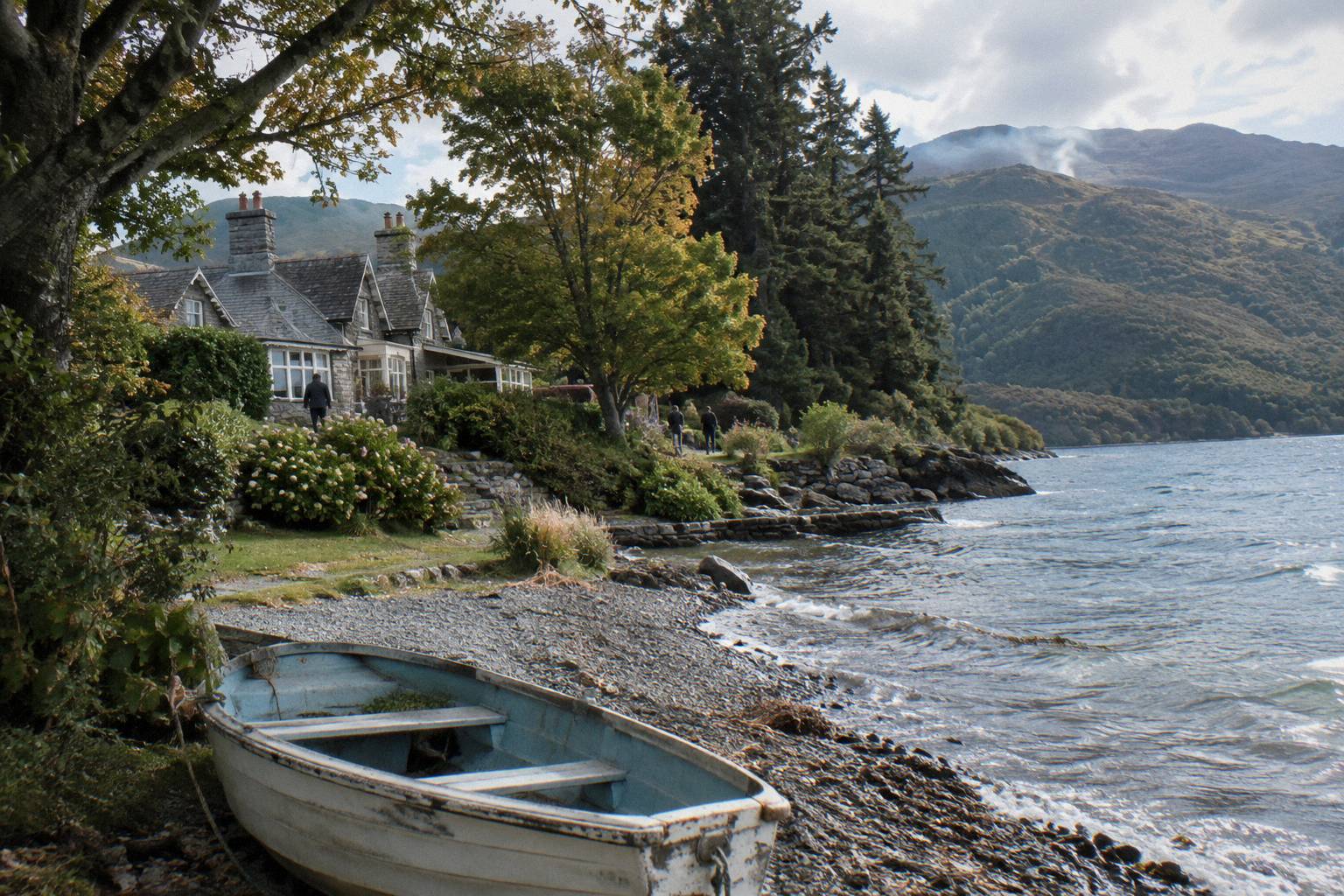
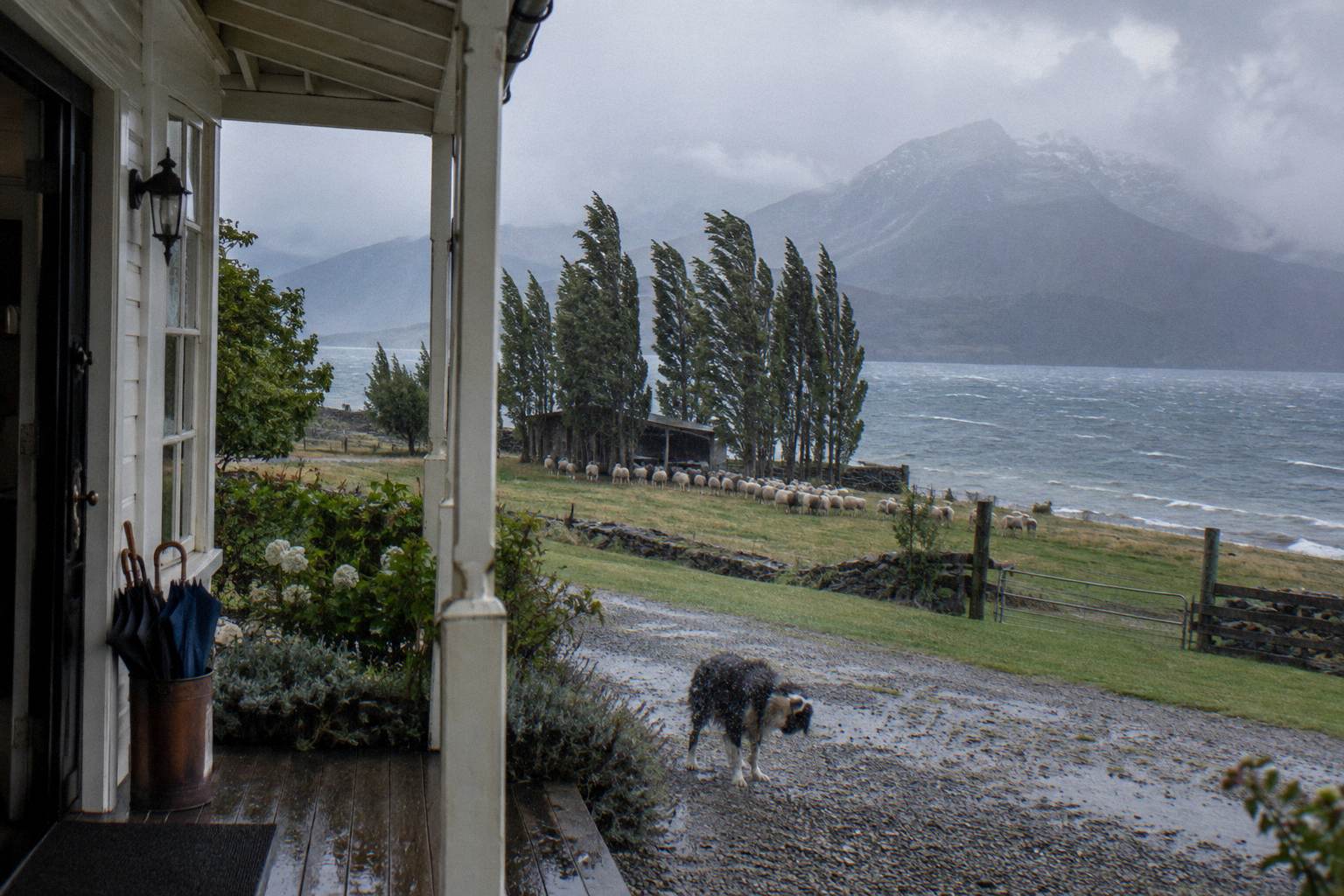
A common follow-up question is whether the farm animals were at risk. The reporting is clear on the outcome: no livestock were lost in the fire. The animals visitors meet on the farm tours, the Highland cattle, sheep, alpacas, deer, pigs and donkeys named on the operator's own pages, were unhurt, and the farm show amphitheatre and woolshed were untouched. Anyone who has read is Walter Peak a working farm will know the property operates as a real high country farm as well as a visitor attraction, which is why the no livestock lost line matters as much as the buildings line.
The steamship crossing is the other half of any farm day, and the guided farm tour version below pairs the classic lake cruise with a full guided visit, one of the formats that was running again once the exclusion zone lifted.
Walter Peak Station And Walter Peak High Country Farm Are Different Properties
The fire started near and largely burned on Walter Peak Station, a neighbouring sheep and cattle station, while the place visitors actually go, Walter Peak High Country Farm, is a separate 155 hectare property operated by RealNZ at Beach Bay. The two share a name and a stretch of shoreline but not an owner or a boundary, and the reporting that places the fire on Walter Peak Station, Cecil Peak Station and conservation land does not place it on the visitor farm. Keeping the distinction straight matters, because headlines said Walter Peak and the farm at Walter Peak are not the same thing. The station's owners are a separate matter entirely and play no part in the visitor experience.
A quick way to hold the geography:
| Property | What it is | Its part in the October 2026 fire |
|---|---|---|
| Walter Peak Station | Neighbouring working sheep and cattle station, separate owners | Fire started nearby and burned across it |
| Cecil Peak Station | Neighbouring station on the lake's western side | Fire burned across part of it |
| Adjoining conservation land | Crown land including the McKinlays Creek area | Fire burned across parts of it |
| Walter Peak High Country Farm | RealNZ's 155 hectare visitor farm at Beach Bay, including the Colonel's Homestead | Within 300 metres of the fire at the closest point; homestead undamaged, no losses |
The visitor farm's own history explains why it sits where it sits. Māori used the sheltered bays as camp sites on moa hunting and greenstone trips, European settlement came in the 1860s, and the Mackenzie family farmed the station from the late 1880s for about 80 years, at one point running 40,000 sheep across 170,000 acres with up to 50 full time staff. The Walter Peak merino fleece topped wool sales in New Zealand and Australia three times in the 1930s. Real Journeys, now RealNZ, bought the 155 hectare homestead block at Beach Bay on 5 December 2013, and it has run the farm visits from there since. The peak above, 1,800 metres, and its neighbour Cecil Peak take their names from Cecil Walter Rees, eldest son of Queenstown founder William Rees.
For a visitor, the practical reading of the two properties is this. The fire ran through the high country of the station country above and beside the farm, the farm itself was evacuated as a precaution and lost nothing, and the distinction is why the answer to the page's question is yes rather than yes and the farm burned down. Readers planning the journey over can pair this with how to get to Walter Peak from Queenstown, which explains the steamship crossing and the long gravel alternative from the Te Anau side.
A Short History Of Fire At Walter Peak
Fire has marked Walter Peak twice. The 1977 homestead fire and the 2026 blaze sit about five decades apart and are unrelated events. The first is the accidental fire that led to the Colonel's Homestead being reconstructed in 1977, recorded in RealNZ's own account of the building's past. The second is the October 2026 vegetation fire on the station country above, which damaged nothing built and took no stock. Beyond those two, the verified record for this shoreline holds no other wildfire. The 2026 fire's cause is under formal investigation and remains unresolved, and nothing in the available reporting links it to any other event or practice, so a responsible account stops there rather than filling the gap.
High country tussock is a landscape that carries fire when it is dry and hot, and the 2026 event drew national coverage. The scale of the response tells its own story: FENZ brought the fire to containment within two days of the first mapping, protected the heritage homestead that stood in the fire's path, and handed the ground back to the landowners on the 8th. Smoke drifting over the lake toward Queenstown was the event's main footprint in town, alongside the suspended sailings on the first day.
History is also the reason the farm exists in its present form. The restoration project launched in 2014 cleared invasive non native trees and weeds from the 155 hectares and replanted natives, with a public walkway along the foreshore, work that reshaped the peninsula visitors walk today. A landscape that has been actively restored is worth reading as living land rather than scenery, and the 2026 fire is now part of that land's story even though it stopped at the boundary of what most visitors come to see. The visitor guide to the farm covers what a day there looks like now.
Does The Fire Affect A Booking Today?
On the evidence available, no: the operator's experience pages show normal operation, the shoreline exclusion zone was lifted on containment day, and nothing in the reported aftermath closed the farm or the lake crossing for anything beyond the first day. Sailings were suspended on 6 October, the day of the evacuation, and the reporting that exists does not carry a resumption statement, so the only reliable check for any specific date is the booking calendar for the product you want, which shows live availability and the price for that date. Every trip carries free cancellation up to 24 hours before the start, which softens the risk of booking ahead in any case.
What that means for planning, in the plainest terms:
| Question | Where things stand |
|---|---|
| Is the farm open? | RealNZ experience pages show normal operation |
| Was any building lost? | No homes, buildings or livestock were lost; the homestead was undamaged |
| Was the lake closed? | A vessel exclusion zone near the Walter Peak shoreline was lifted on 8 October |
| Are trips cancelled now? | None shown; check the booking calendar for your date |
| Is the fire still burning? | Declared contained 8 October 2026 and handed to landowners |
| Do tickets still refund? | Free cancellation up to 24 hours before start applies across every trip |
Spring and summer bring their own reasons to book with a little care. Sittings on the popular dining cruises fill in school holidays and peak summer, vessel space is limited, and the calendar shows both availability and the price of a given date. The booking guide for Walter Peak and Earnslaw tickets walks through the mechanics, including where you check in at the RealNZ Visitor Centre on Steamer Wharf, 88 Beach Street. If your dates are loose, do you need to book Walter Peak in advance answers that question directly, and the short answer for peak periods is yes.
The flagship dining day is the Gourmet BBQ and lake cruise, from NZ$175 per person with a 4.8 rating from 3,272 reviews, 3.5 hours door to wharf and back, with free cancellation up to 24 hours ahead, and it is the natural pick if the fire question was standing between you and a table at the homestead. Check availability beside the full trip description.
One more reassurance belongs here because it comes up in every conversation about lake travel: the steamship itself had no part in the fire and no fire was reported aboard. Questions about the vessel's operations are answered in is the Earnslaw still running, which deals with schedules and the maintenance cycle rather than the fire.
What Trips People Up Before You Book
The biggest pre-booking mistakes are assuming Walter Peak is a single property rather than several distinct experiences, believing the fire permanently closed the farm when the operator's own pages show otherwise, and locking in a travel date without first checking the calendar for available departures. Avoid these three errors and your booking will go far more smoothly. The name Walter Peak covers a peak, a station and a visitor farm, and the October 2026 fire belongs to the station country and the conservation land, not to the buildings visitors eat and walk in. Assuming a closure that the experience pages do not show leads people to cancel plans that were never at risk. And booking without a calendar check leaves money on the table, since prices vary by date and group size and the calendar is where the actual figure for your date appears.
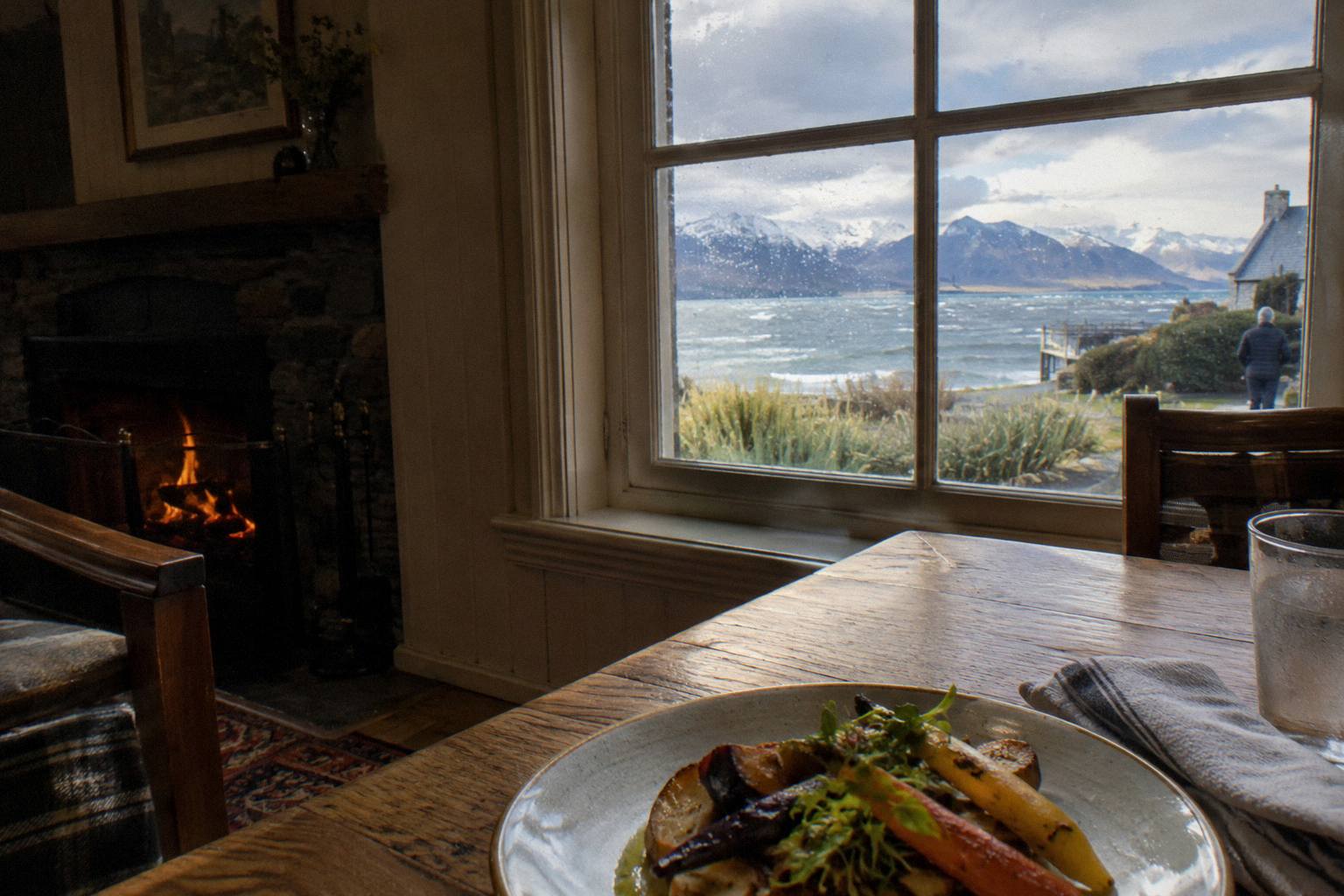
Mistake one has a simple fix: when you read Walter Peak in a headline, ask which property. The fire reporting names Walter Peak Station, Cecil Peak Station and conservation land, and the farm at Beach Bay is the fourth name in the area, the one with the homestead and the woolshed. Mistake two is assuming a 1,400 hectare fire must have closed everything, when the verified outcome is a precautionary evacuation, no losses and an exclusion zone lifted within two days. Mistake three is the oldest one in travel: dates and prices move, and the calendar is the only place that shows the number for your day.
A fourth trip-up deserves a mention because it is unique to this event. The fire's cause is under formal investigation and unresolved, and any explanation you may see offered elsewhere is not from the official record. Reading cause claims into a booking decision, in either direction, adds nothing. What supports a decision is the containment date, the undamaged homestead, the normal operation shown on the experience pages, and the 24 hour free cancellation that stands behind every product.
Common Questions About Visiting Walter Peak After The Fire
Was Walter Peak Affected By A Fire?
Yes. A vegetation fire broke out near Walter Peak Station on the afternoon of Tuesday 6 October 2026 and burned tussock, scrub and some trees to about 1,350 to 1,400 hectares at its largest, across Walter Peak Station, Cecil Peak Station and adjoining conservation land. It came within 300 metres of the historic homestead, about 350 guests and staff were evacuated, and it was declared contained on 8 October 2026. No homes, buildings or livestock were lost.
Did The Colonel's Homestead Burn Down?
No. The fire came within 300 metres of the homestead on 6 October and about 350 guests and staff were evacuated, but the building was undamaged and no homes, buildings or livestock were lost anywhere in the fire area. The homestead was reconstructed in 1977 after a separate, much earlier accidental fire, an event unrelated to 2026.
Were The Farm Animals Hurt In The Fire?
No livestock were lost. The reporting on the fire records no homes, buildings or livestock lost, and the animals named on the operator's farm pages, including Highland cattle, sheep, alpacas, deer, pigs and donkeys, were unaffected.
What Caused The Walter Peak Fire?
The cause is under formal investigation and remains unresolved. Nothing in the available reporting establishes a cause, and no explanation beyond that is supported.
Are Walter Peak Tours Still Running After The Fire?
Sailings were suspended on 6 October, the day of the fire and evacuation, and the vessel exclusion zone near the Walter Peak shoreline was lifted when the fire was declared contained on 8 October. RealNZ experience pages show normal operation now, and the booking calendar for each product shows live availability for any date you are considering.
Is Walter Peak Station The Same Place As The Farm Visitors Go To?
No. Walter Peak Station is a neighbouring sheep and cattle station with separate owners. Walter Peak High Country Farm is the 155 hectare RealNZ property at Beach Bay where visitors land, eat at the Colonel's Homestead and take the farm tour. The 2026 fire burned on the station and conservation land; the farm itself was evacuated as a precaution and lost nothing.
The question that brought you here usually sits an inch from a booking, and the answer leaves the door open: the fire was real, large and close, and the place visitors go came through it intact. The lake crossing, the farm visit and the barbecue dining are all bookable with free cancellation up to 24 hours before the start.