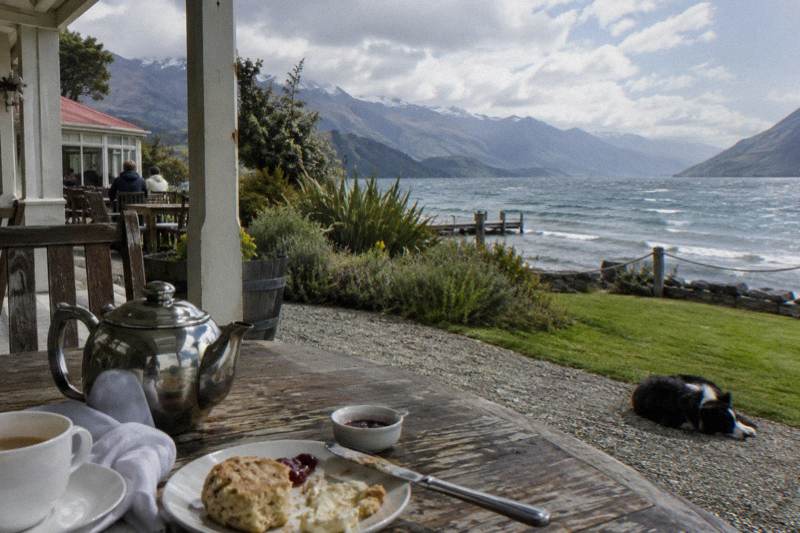
Who Owns Walter Peak?
RealNZ operates Walter Peak High Country Farm, the 155 hectare property visitors reach by boat from Queenstown, while Walter Peak Station next door is a separate farm with separate owners.
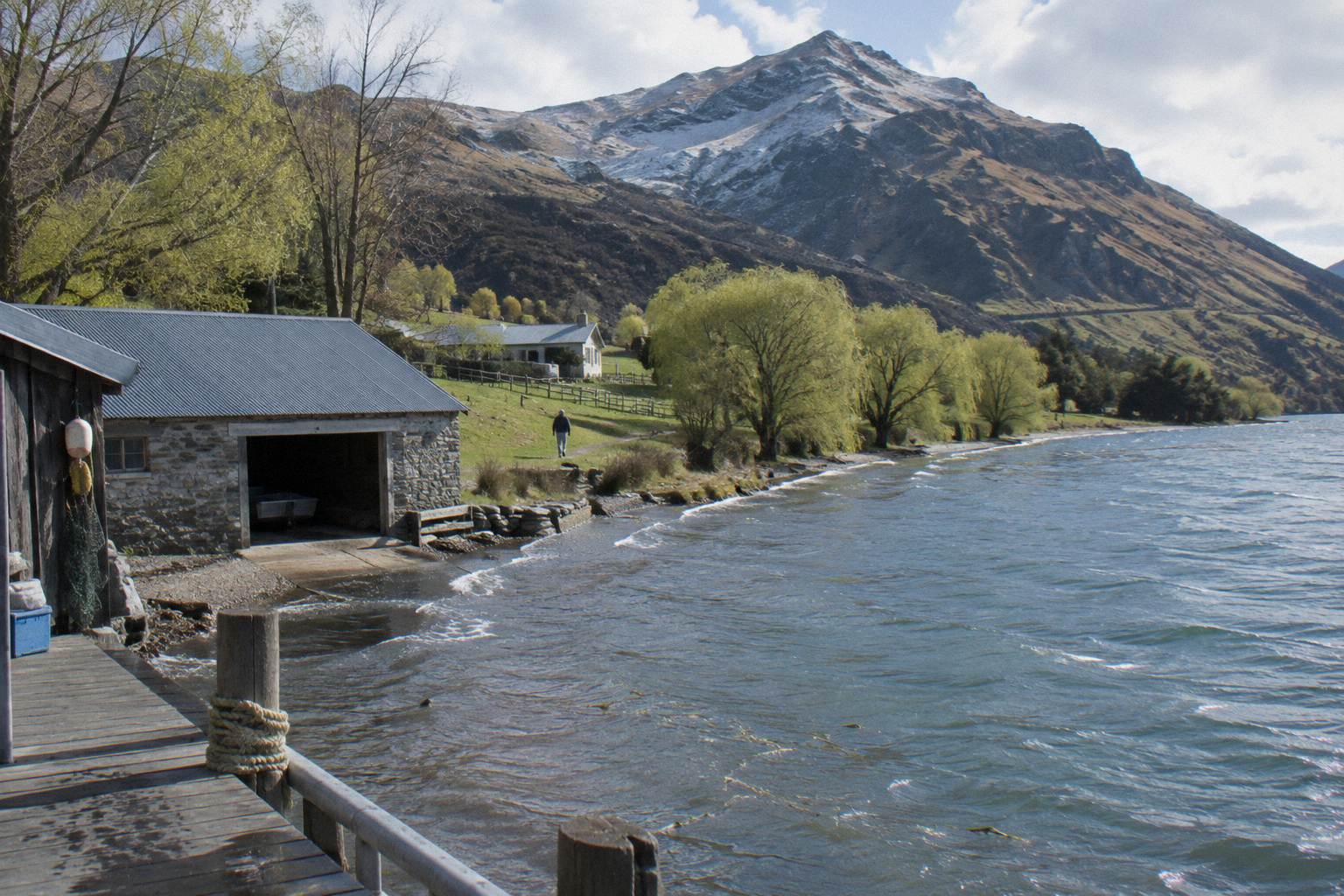
The question comes up most often just before someone books, because the trip itself is a lake cruise and farm visit tour and the name on the ticket matters less than knowing where the boat actually lands. Here is the short version, then the detail.
| Fact | Detail |
|---|---|
| Who operates the farm visits | RealNZ, the Queenstown tourism operator |
| Property name | Walter Peak High Country Farm, at Beach Bay |
| Size of the RealNZ property | 155 hectares |
| Purchase date | 5 December 2013 |
| Sold by | Convelle Enterprises Ltd |
| The neighbour | Walter Peak Station, a separate sheep and cattle station |
| How visitors arrive | A 45 minute cruise across Lake Whakatipu on the TSS Earnslaw |
| Distance from Queenstown | 13 km across the lake |
RealNZ owns and operates Walter Peak High Country Farm, the 155 hectare property at Beach Bay on the western shore of Lake Whakatipu where every boat tour lands. The company, formerly trading as Real Journeys, bought the land and its historic Colonel's Homestead restaurant on 5 December 2013 from Convelle Enterprises Ltd. RealNZ had held the pastoral lease since 1987, so the 2013 deal turned a long term tenure into outright ownership of the visitor operation.
That is the direct answer, but the full picture has two layers worth understanding before you book anything. The first layer is the farm itself: the buildings, the gardens, the amphitheatre where the sheepdog and shearing show runs, and the wharf where the TSS Earnslaw ties up. All of that sits on the RealNZ property, and RealNZ runs every bookable experience on it, from the barbecue dinners to the horse treks. You can read the operator's own account on the RealNZ Walter Peak farm page.
The second layer is the mountain behind the farm. Walter Peak, the 1,800 metre summit, and its neighbour Cecil Peak were named in 1862 by surveyor James McKerrow after Cecil Walter Rees, the eldest son of Queenstown founder William Rees, as the Wikipedia entry for Walter Peak records. A peak is not a paddock: ownership questions only really bite at the fence line, and there are two distinct farms behind the one name.
If the practical question behind the ownership question is simply how to get onto the property, the most direct route is the lake cruise and farm tour combination, which includes the farm show and afternoon tea in the woolshed.
The "Queenstown: Queenstown Lake Cruise and Walter Peak Farm Tour" is the natural first booking for this route: from NZ$139 per person, 3.5 hours door to wharf, with a 4.8 rating from 1,178 reviews and free cancellation up to 24 hours before start. It is one of several ways onto the same property, and it is worth a look alongside the shearing demonstration variant that includes the sheep shearing and sheepdog show.
Who Runs The Farm The Boats Land At?
RealNZ runs everything on the landing side: the Colonel's Homestead restaurant, the farm show amphitheatre, the woolshed where afternoon tea is served, the gardens and the horse trek routes. Every bookable Walter Peak experience covered here, including the barbecue lunches and dinners, the guided farm tours and the treks, is a RealNZ product. The company also operates the vessels that get you there, including the coal-fired TSS Earnslaw.
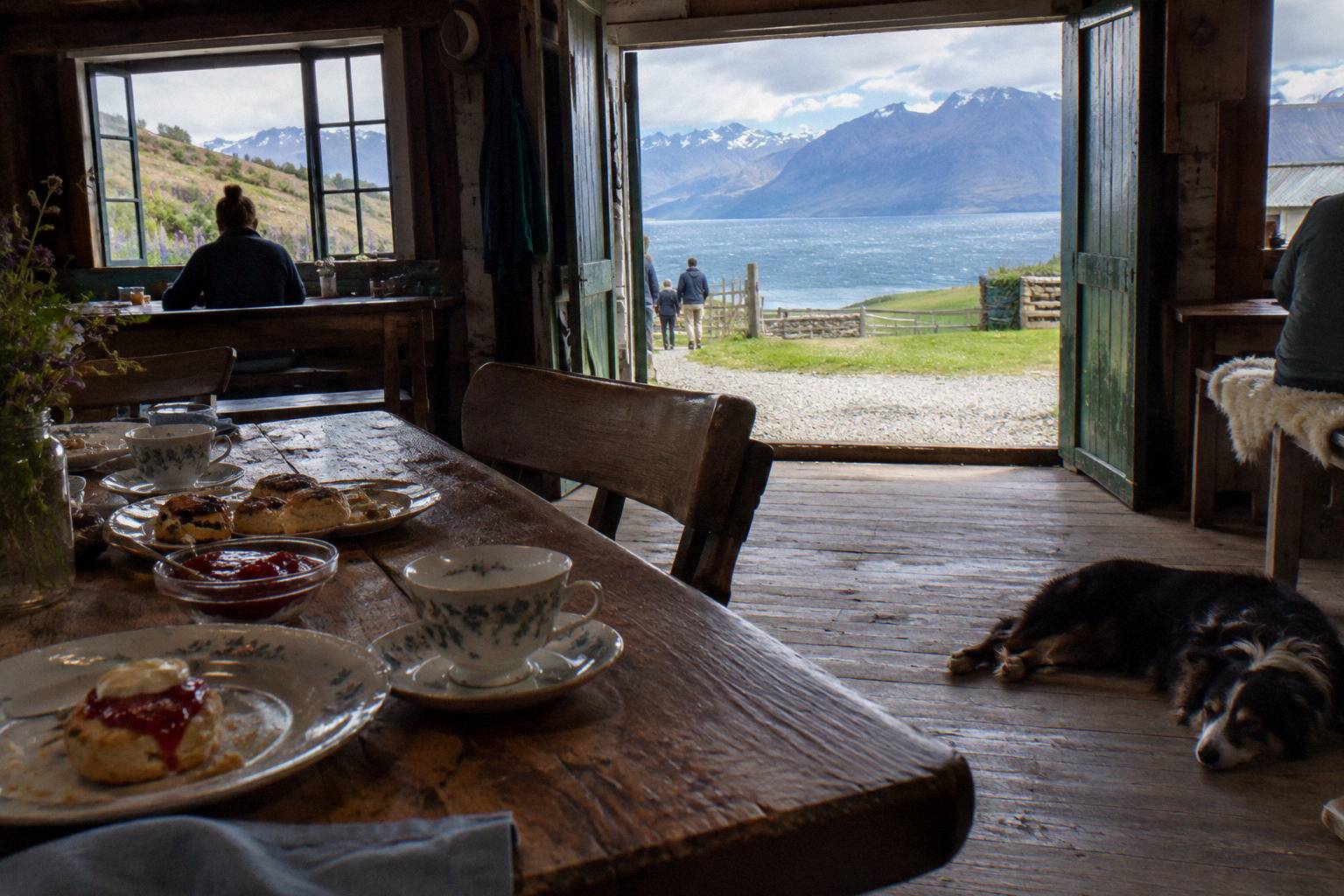
The purchase that settled the question happened on 5 December 2013, when Real Journeys, now RealNZ, bought the 155 hectare Beach Bay property from Convelle Enterprises Ltd. The RealNZ media release on the Walter Peak purchase frames it as buying the company's own base: RealNZ had been running tours to the site under lease arrangements since securing the pastoral lease in 1987, and owning the land outright secured the long term future of the operation. For a visitor, the practical effect is simple. One operator controls the wharf, the farm, the restaurant and the boats, which is why the products bundle so neatly into cruise-plus-farm or cruise-plus-dinner packages.
Ownership also explains the restoration work. The Walter Peak Land Restoration Project began in 2014, the year after the purchase, clearing the 155 hectares of invasive non-native trees and weeds, replanting natives and opening a public walkway along the foreshore to Beach Point. Wilding pines were sprayed in winter 2015. The peninsula you walk along on the Garden to Table experience is partly the visible result of that post-purchase clean-up, and the guided farm walk passes through it.
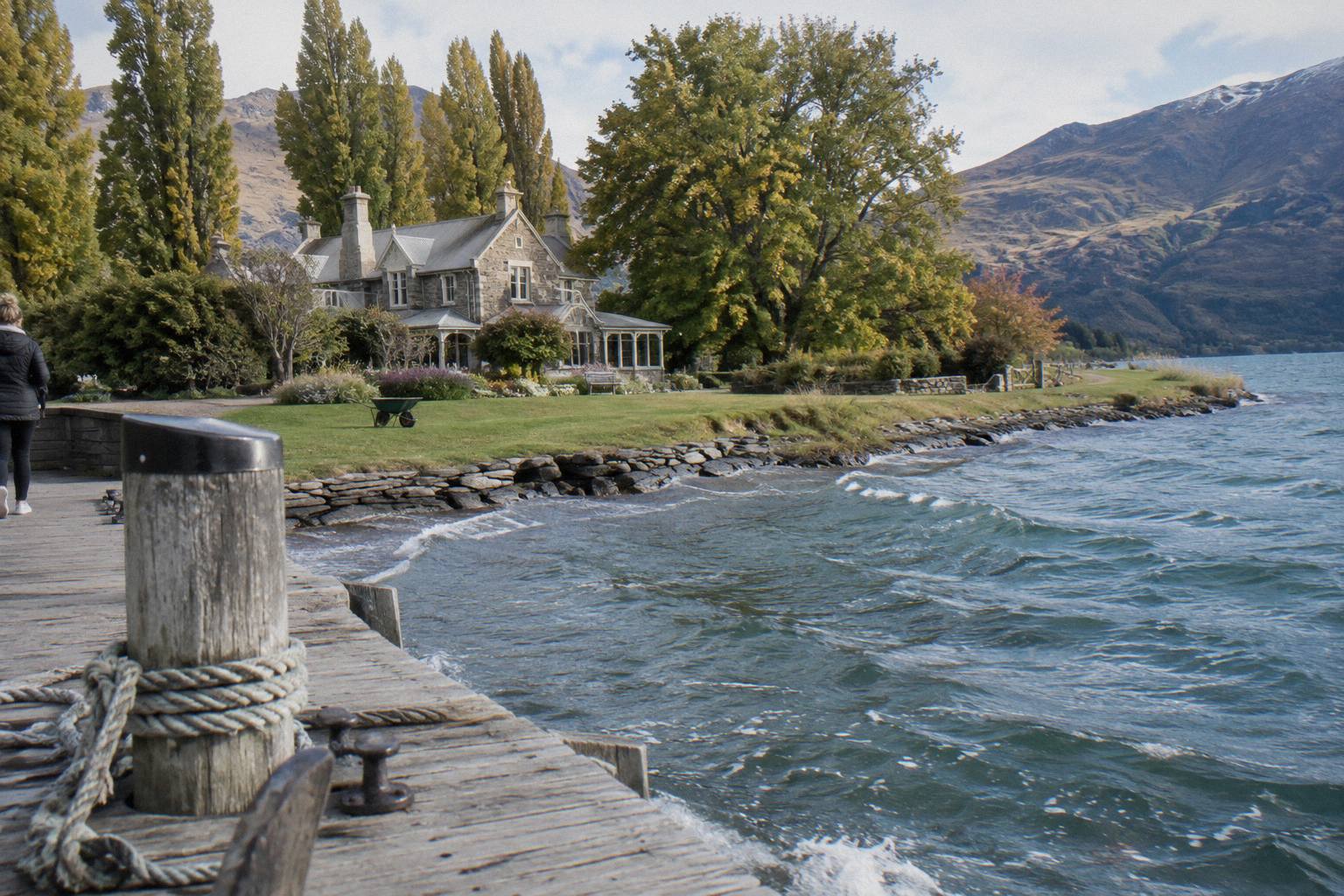
The homestead at the centre of the property carries its own history. The Colonel's Homestead restaurant was reconstructed in 1977 after an accidental fire, and it takes its name from Colonel Peter Mackenzie of the family that farmed the station for roughly 80 years. Its gardens date from the 1870s, and a protected sycamore and oak among them count as some of the oldest introduced trees in the region. The RealNZ history of Walter Peak covers the homestead and garden lineage in detail.
One point worth knowing while weighing a booking: the crossing to the farm is 45 minutes each way on the Earnslaw, so a 3.5 hour product is mostly a half day of your Queenstown calendar once check-in and boarding are counted. Booking ahead is recommended because vessel space is limited and dining sittings fill during school holidays and peak summer. Every trip covered here carries free cancellation up to 24 hours before start, which takes most of the risk out of committing early.
What Is The Difference Between The Farm And The Station?
Walter Peak High Country Farm and Walter Peak Station are two separate properties that share a name and a stretch of shoreline, nothing more. The farm, 155 hectares at Beach Bay, is the RealNZ visitor operation where the tours, restaurant and farm show happen. The station is the neighbouring working sheep and cattle property, under separate ownership, and none of the tours covered here set foot on it. Confusing the two leads directly to the wrong answers about access and events.
The distinction matters most when news breaks. In October 2026 a vegetation fire started near Walter Peak Station and burned roughly 1,350 to 1,400 hectares at its largest, across Walter Peak Station, Cecil Peak Station and adjoining conservation land in the McKinlays Creek area. The fire came within 300 metres of the historic homestead on the RealNZ property, prompting the evacuation of 350 guests and staff, but the homestead and farm buildings were undamaged and Fire and Emergency declared the fire contained on 8 October 2026. A reader who merges the two properties would wrongly conclude the visitor farm burned; it did not.
| Walter Peak High Country Farm | Walter Peak Station | |
|---|---|---|
| Owner | RealNZ | Separate owners, not named among these trips |
| Size | 155 hectares | Larger working station, size not sourced here |
| What happens there | Farm tours, BBQ dining, horse treks, farm show | Commercial sheep and cattle farming |
| Can visitors go | Yes, on a booked tour or dinner cruise | No bookable visitor access through these trips |
| Vessel access | The wharf where the Earnslaw ties up | No visitor wharf |
The station's owners are deliberately not named in this article, and the reason is practical rather than coy. Public reporting on the property does not settle a single clear owner record, and repeating a guess on a page people use to plan bookings would do more harm than a clean omission. What is firmly sourced is the separation itself, plus the station's role in the 2026 fire. Beyond that, ask the operator if a specific boundary question matters to your visit, though for tour purposes it never does: every product lands on the RealNZ side.
Who Owned Walter Peak Before RealNZ?
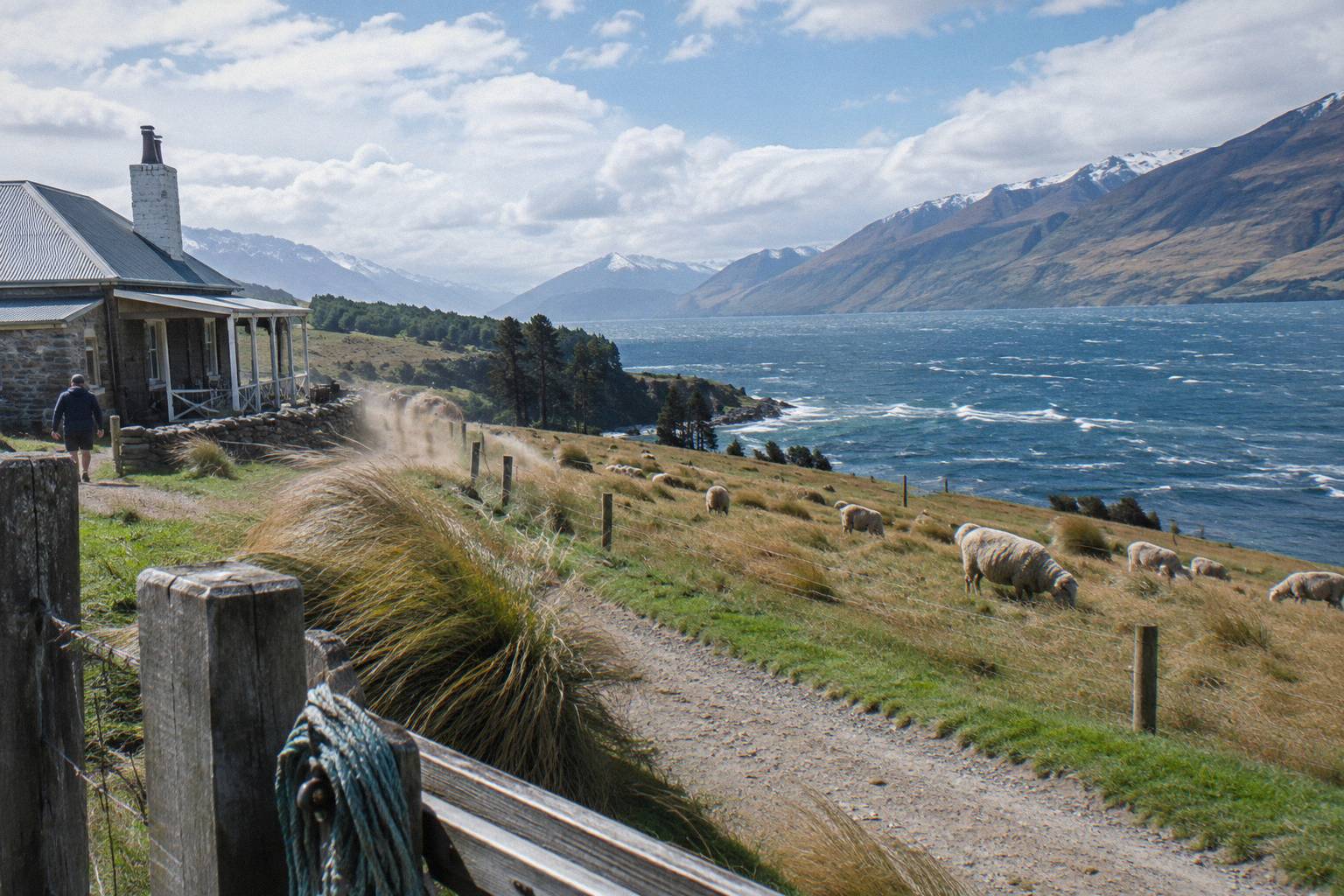
The land's European farming story runs from the 1860s, when Von Tunzelman settled the area only to be forced off by stock deaths, snowstorms and a lack of money, through roughly 80 years of Mackenzie family farming from the late 1880s, when the station ran 170,000 acres, 40,000 sheep and up to 50 full-time staff at its peak. RealNZ secured the pastoral lease in 1987 and bought the freehold visitor property in 2013.
The Mackenzie decades are the ones that made the name. The RealNZ history of Walter Peak credits the family with developing many of the principles of successful high country farming, and the Colonel's Homestead still carries the family title. In the 1930s, Walter Peak merino fleece topped wool sales in New Zealand and Australia three times, which put the station among the most recognised wool producers of its era. That merino heritage is not just trivia: merino sheep still graze the visitor farm today, alongside Highland cattle, alpacas, deer, pigs and donkeys.
| Period | Who held the land | What marked it |
|---|---|---|
| Pre-European | Māori travelling parties | Sheltered bays used as camp sites on moa-hunting and pounamu trips |
| 1860s | Von Tunzelman | Early European settlement, ended by stock deaths, snowstorms and money troubles |
| Late 1880s onward | The Mackenzie family | About 80 years of farming, a peak of 170,000 acres and 40,000 sheep, merino fleece topping wool sales in the 1930s |
| 1977 | Homestead reconstructed | Rebuilt after an accidental fire, named for Colonel Peter Mackenzie |
| 1987 | Real Journeys, now RealNZ | Pastoral lease secured |
| 5 December 2013 | RealNZ | 155 hectare Beach Bay property bought from Convelle Enterprises Ltd |
| 2014 onward | RealNZ freehold | Land Restoration Project, native planting, public foreshore walkway |
Before any of that, the bays were campsites. Māori travelling parties used the sheltered shoreline on moa-hunting and pounamu, greenstone, expeditions toward the Mararoa and Oreti Rivers, a reminder that the ownership question is much younger than the human use of the place. The European chapter opens with the Rees era in Queenstown and the coin toss story between William Rees and Von Tunzelman that the history blog dates to the late 1850s.
Can You Stay At Walter Peak?
No accommodation at Walter Peak is confirmed. Every Walter Peak experience covered here is a half day round trip from Queenstown: 3.5 hours for the standard products, about 4 hours for the evening dinner cruise. The question of who owns the place is often really a question of whether you can sleep there, and the answer is that the visit is built around the boat schedule, not a lodge.
The absence of on-site lodging is a direct consequence of the ownership structure. RealNZ runs a day-visit operation, and the neighbouring station is a commercial farm, not a hospitality business with bookable beds. Queenstown, a 45 minute cruise away, is where virtually every visitor sleeps, and the where to stay for an Earnslaw departure guide covers the practical side of choosing a base near the wharf. If overnight access to a high country station is what you are after, that is a different style of trip entirely and not something the tours covered here sell.
The day-trip shape does affect how you should choose between products. A morning farm tour with afternoon tea and an evening barbecue dinner both depart from the RealNZ Visitor Centre at 88 Beach Street, and both return you to central Queenstown, so the decision is really about how you want your half day to feel. The "Queenstown: Walter Peak Gourmet BBQ & Lake Whakatipu Cruise", from NZ$175 per person with a 4.8 rating from 3,272 reviews, is the dining flagship, pairing the crossing with a wood-fired buffet in the homestead.
The shorter crossing-only option also exists: a 1.5 hour lake cruise aboard the Earnslaw with no farm landing at all, which suits travellers who want the steamship without the paddocks. It belongs to the dining and cruise family rather than the farm lineup, and it is the one product here that never ties up at the Walter Peak wharf.
Do The Owners Farm It For Real?
Yes, in the sense that matters to visitors: Walter Peak High Country Farm is a working high-country property with sheep, cattle, deer and other stock, and the tour products are built around real farm activity, including a live blade-shearing demonstration and working heading dogs and huntaways mustering sheep in a purpose-built amphitheatre. The animals named on the operator's pages include Highland cattle, sheep, alpacas, deer, pigs and donkeys, with a resident Highland cow called Dougal.
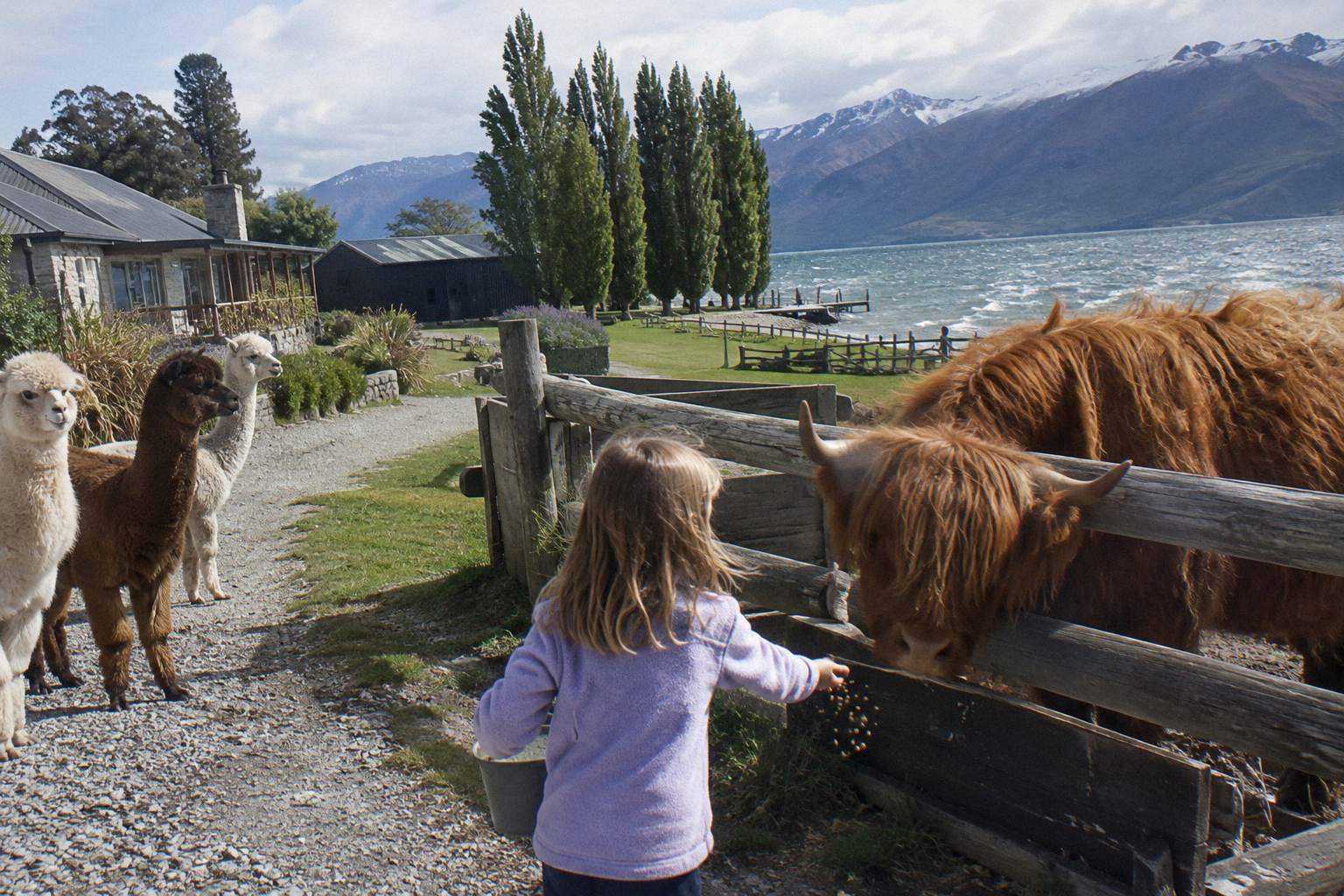
This is where the ownership answer pays off. A tourism operator that owns its own farm can schedule the paddock work around the visitors rather than renting a stage set. The shearing demonstration uses the New Zealand blade technique, the sheepdogs are working dogs rather than performers, and the afternoon tea sits in an actual woolshed. The is Walter Peak a working farm article unpacks the day-to-day side in more detail, including what hand-feeding involves on the farm walk.
Ownership also shapes the range of experiences. Because RealNZ controls both the lake crossing and the land, it can run products as different as the Garden to Table walk, where you plant a native tree or shrub on the reforested peninsula, and the horse trek to a lookout, which carries a minimum age of 7, a minimum height of 120 cm and a maximum rider weight of 95 kg. The trek, rated 4.6 from 327 reviews and priced from NZ$279 per person, finishes with tea at the Colonel's Homestead.
Dietary needs feed into the same single-operator picture. The buffet barbecue carries vegetarian dishes, and RealNZ asks that you flag dietary requirements at booking so the kitchen can prepare, since the seasonal menu changes with supply and chef discretion. The vegetarian and gluten-free BBQ meals article covers what the kitchen can and cannot commit to.
What Trips People Up About The Ownership Question
Three confusions come up again and again: merging the farm with the neighbouring station, assuming the steamship is owned by someone other than the farm operator, and expecting the 2013 purchase to mean RealNZ owns the whole mountainside. In each case a single fact fixes it: RealNZ owns the 155 hectare visitor farm and the vessels, the station next door is separately owned, and the peak itself is just a mountain, not a property with a gate.
The station mix-up is the costliest one. Travellers who read about the October 2026 fire, or about commercial farming at Walter Peak Station, sometimes conclude the tours must have stopped or the restaurant burned. Neither happened: the fire stopped 300 metres short of the homestead, every building on the visitor property was spared, and the vessel exclusion zone near the shoreline was lifted when the fire was contained on 8 October. Treat current operation as normal and check your date on the booking calendar if fire history concerns you.
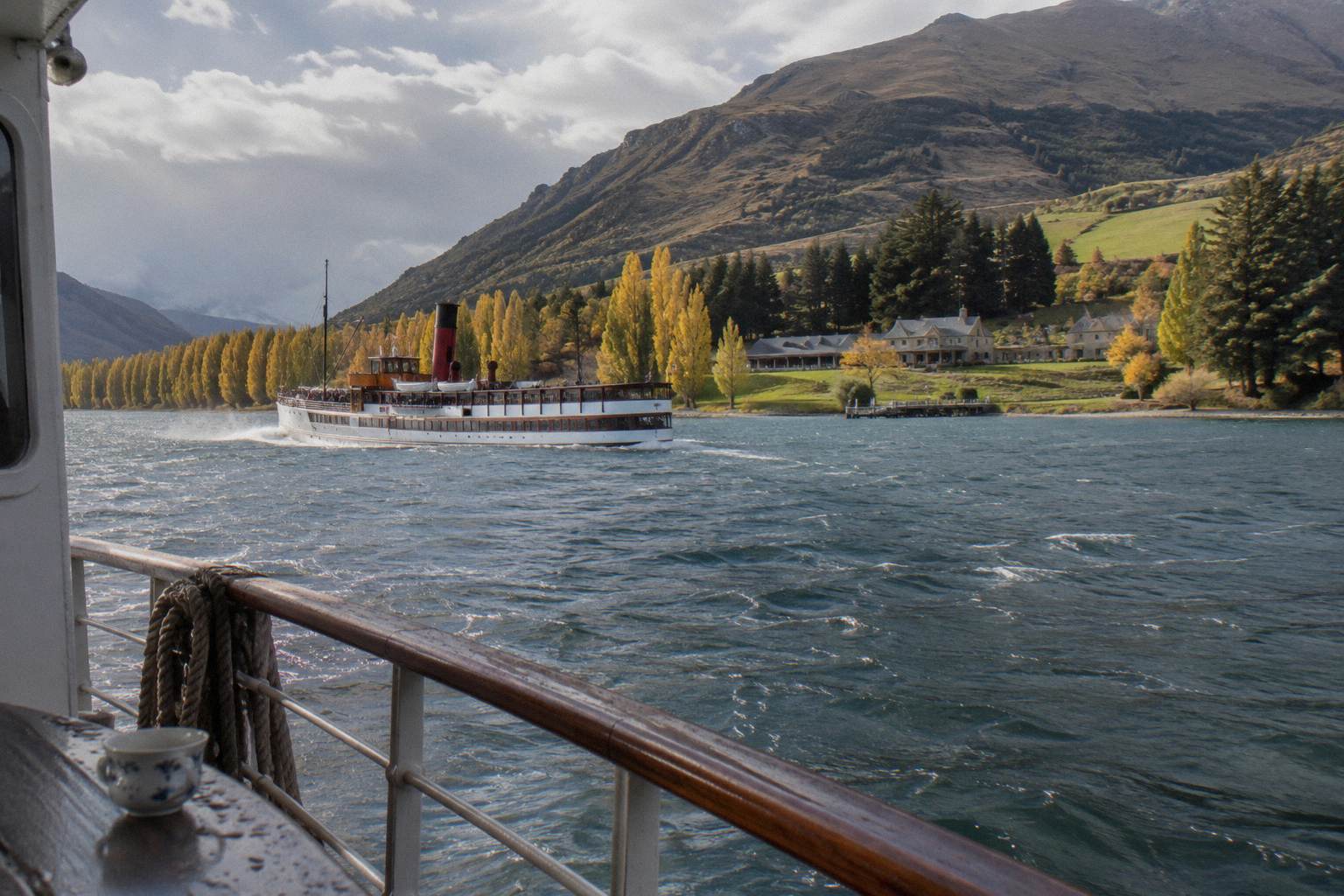
The vessel question is simpler than it looks. The TSS Earnslaw was built in Dunedin in 1912, dismantled, railed to Kingston and reassembled for New Zealand Railways, then leased by Fiordland Travel, the company that became RealNZ, in 1969 and bought in 1982. So the steamship has been part of the same business as the farm for over half a century, long before the land purchase. The TSS Earnslaw history guide traces that arc from near-scrapping in 1968 to the red funnel it carries after its 1984 refit.
Finally, do not expect the ownership answer to unlock private access. Knowing the operator does not open the station's gates, and there is no road tour of either property from Queenstown. Everything bookable runs through the lake crossing, which is exactly why the products bundle the way they do. The tours here,Walter Peak Farm Tours, exists to sort that side of it: which boat, which meal, which half day.
Common Questions About The Farm And The Station
Who Owns Walter Peak?
RealNZ owns Walter Peak High Country Farm, the 155 hectare visitor property at Beach Bay that it bought from Convelle Enterprises Ltd on 5 December 2013, having held the pastoral lease since 1987. Walter Peak Station next door is a separate property with separate owners.
Is Walter Peak High Country Farm The Same As Walter Peak Station?
No. The farm is the RealNZ property where tours land, dine and watch the farm show. The station is the neighbouring sheep and cattle property, separately owned, with no visitor access through any of these trips.
Who Built The Colonel's Homestead?
The homestead takes its name from Colonel Peter Mackenzie of the family that farmed the area for about 80 years from the late 1880s. The building standing today was reconstructed in 1977 after an accidental fire, and its gardens date from the 1870s.
Does RealNZ Own The TSS Earnslaw Too?
Yes. The company, then Fiordland Travel, leased the steamship in 1969 and bought it in 1982, decades before it bought the farm itself. Boat, wharf, farm and restaurant all sit under one operator.
Did The 2026 Fire Affect The Visitor Farm?
The fire of 6 October 2026 burned across the neighbouring station and conservation land, coming within 300 metres of the homestead before it was contained on 8 October. No homes, buildings or livestock were lost, and the homestead and farm buildings were undamaged.
Can You Stay Overnight At Walter Peak?
No confirmed accommodation exists at Walter Peak. Every experience is a day trip from Queenstown, typically 3.5 hours including the 45 minute lake crossing each way.