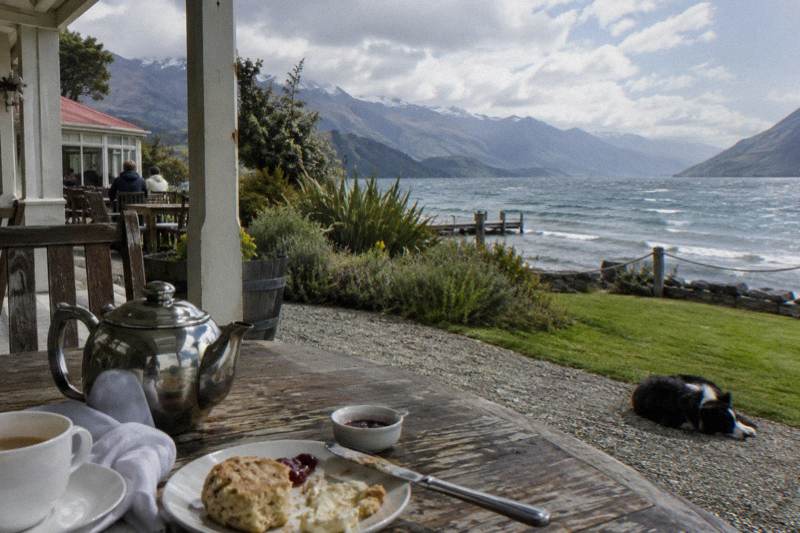
Is Walter Peak A Working Farm?
Yes, Walter Peak is a working high-country farm of 155 hectares on Lake Whakatipu, with sheep, cattle and a live shearing show. Here is what working means for your visit.
Walter Peak sits on the farm-visit side of what this destination offers, and the question of whether it is a real farm or a theme-park version of one decides which product is worth booking. It is a real farm, and the distinction matters most for the two farm-tour products and the horse trek that spend their time on the property itself.
| Fact | Detail |
|---|---|
| Property | Walter Peak High Country Farm, a working high-country farm |
| Size | 155 hectares at the base of Walter Peak |
| Location | Western shore of Lake Whakatipu, reached by a 45 minute cruise |
| Operator | RealNZ |
| Animals on the operator's pages | Highland cattle, sheep including merino, alpacas, deer, pigs, donkeys |
| Farm show | Heading dogs and huntaways mustering sheep, then live blade shearing |
| Typical visit | About 3.5 hours including the lake crossing |
| Currency | All amounts for these trips are New Zealand dollars |
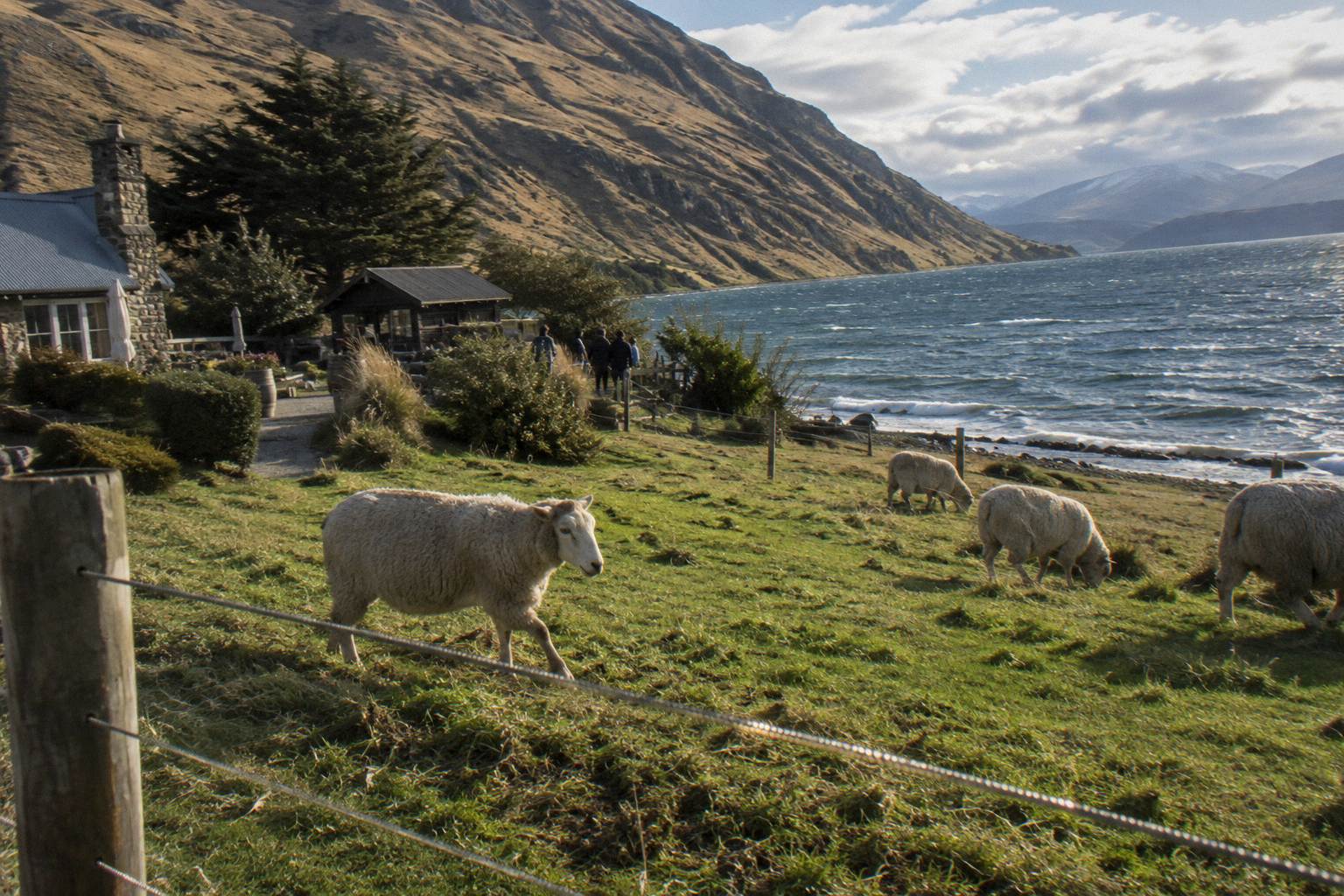
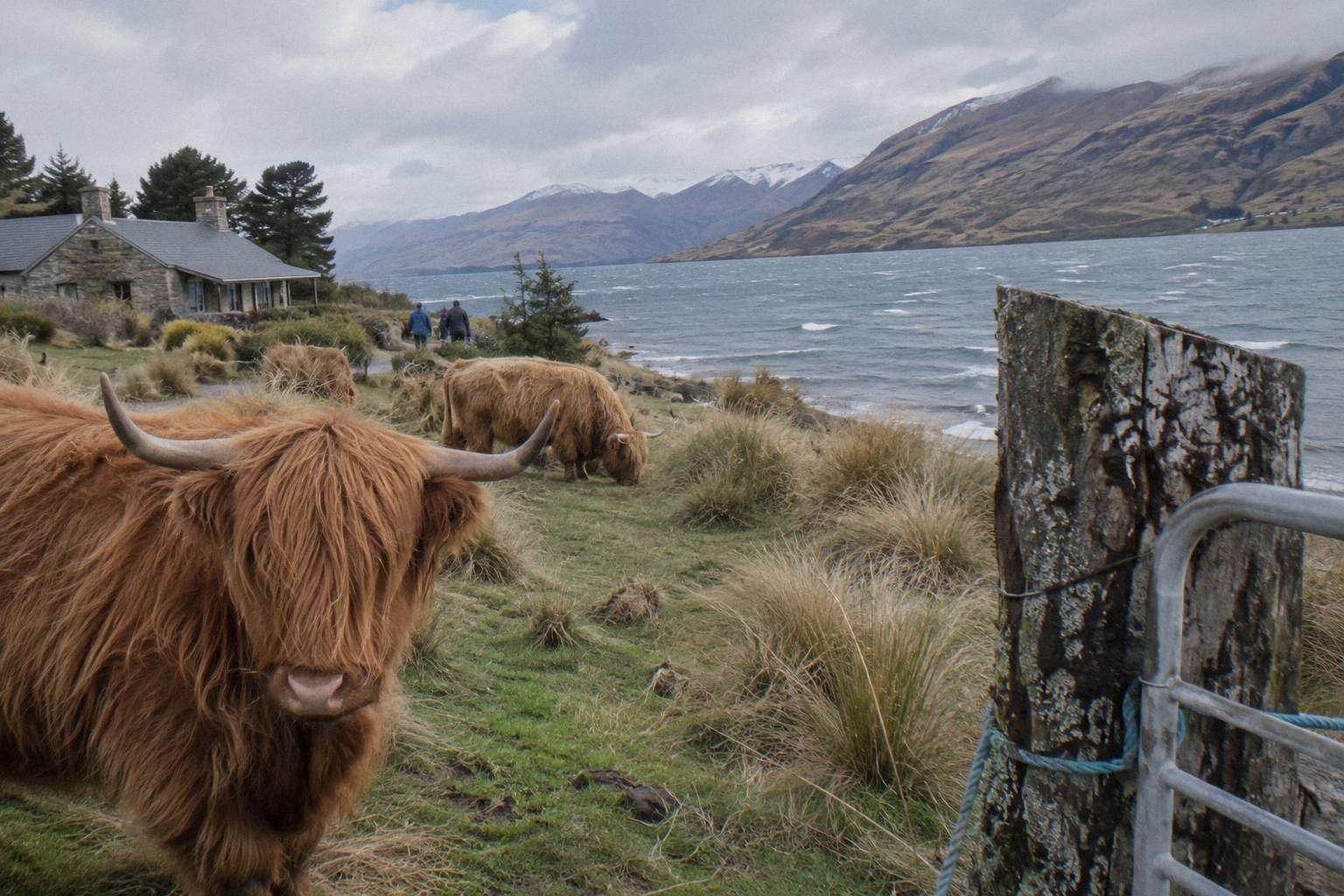
Yes, Walter Peak High Country Farm is a genuine working high-country farm of 155 hectares at the base of the 1,800 metre peak of the same name, on the western shore of Lake Whakatipu, run by RealNZ. The animals on the property are working and resident stock: Highland cattle including the resident cow Dougal, sheep including merino, alpacas, deer, pigs and donkeys. The visit is built around the working year, not around rides.
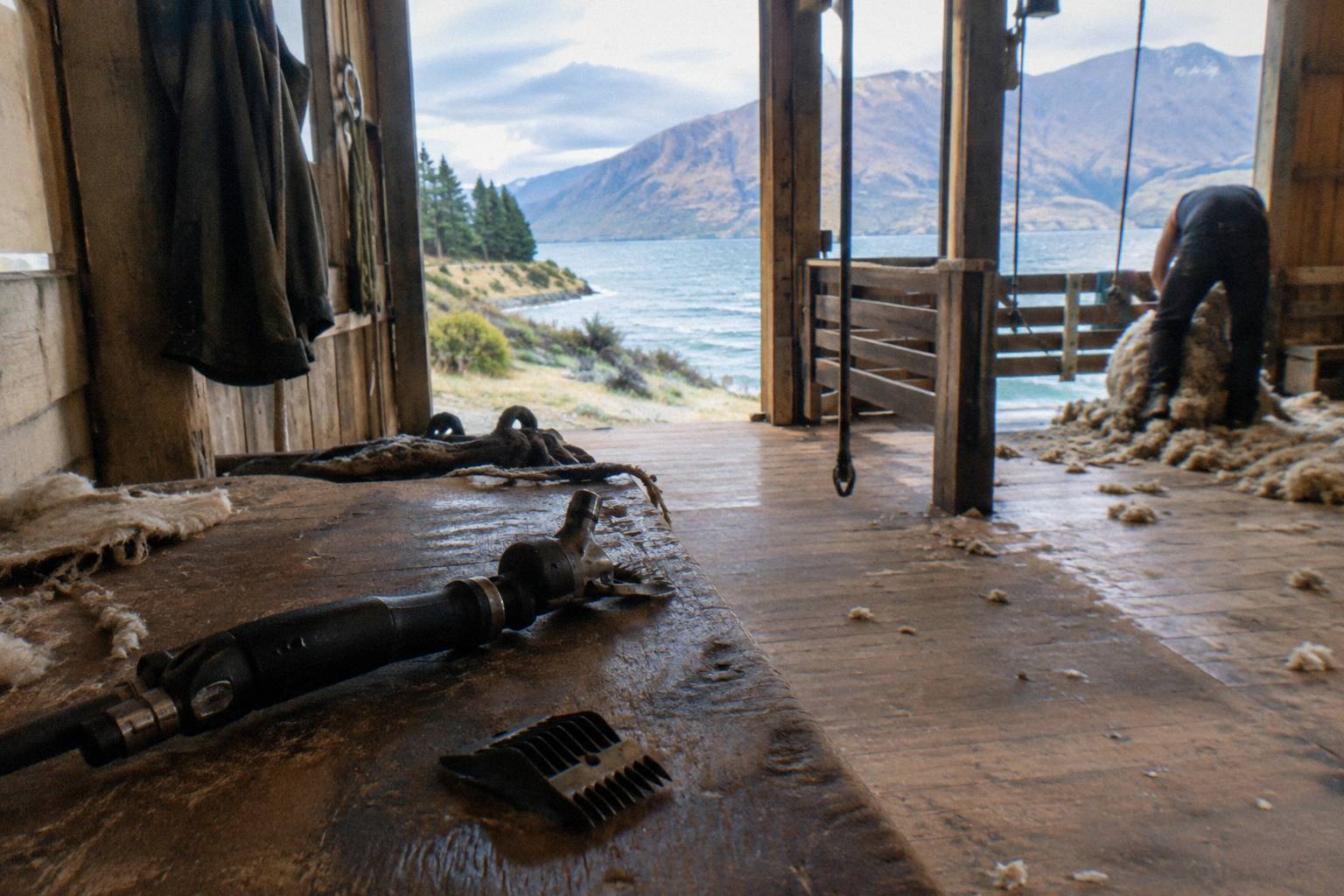
The word "working" does a lot of quiet lifting in that answer. The farm grows its own feed, runs its own stock and stages a demonstration that uses the same skills a high-country shearer and dog handler use every day of the season. The woolshed where the farm tour takes its tea is a woolshed, and the amphitheatre sits inside a property that has carried sheep since the 1860s. the RealNZ Walter Peak farm page describes the crossing, the farm and the show in exactly those terms.
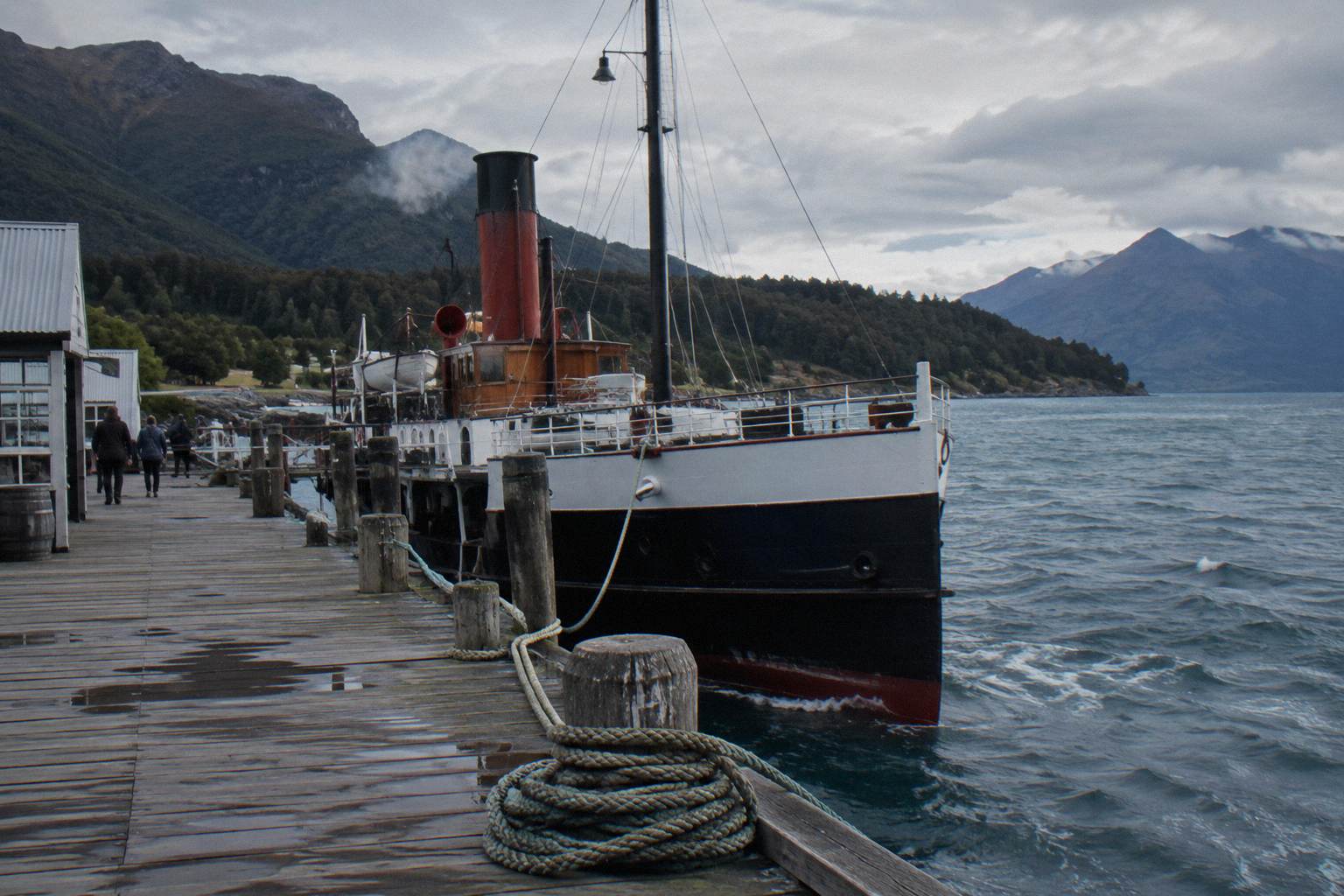
What tends to surprise first-time visitors is the setting. There are no roads in from Queenstown for a casual driver: the 45 minute cruise on the TSS Earnslaw is the standard way in, which is why nearly every tour covered here bundles the lake crossing with the farm. The boat is part of the answer too, because the farm's isolation is part of what makes it a high-country farm rather than a paddock on the edge of town.
If the farm visit is the part that draws you, three products fit without any dining attached: the lake cruise with farm tour, the shearing demonstration version with hotel pickup, and the Earnslaw cruise with a guided farm tour.
What Working Looks Like On The Visit
Working shows up in three places in a standard visit: hand-feeding the stock on the farm tour, watching heading dogs and huntaways muster sheep in a purpose-built amphitheatre, and seeing a blade-shearing demonstration in the New Zealand blade technique. The tour then finishes with tea of scones, cakes, slices and sandwiches served in the woolshed, which is the building where the farm's wool work actually happens. None of that is staged off-property.
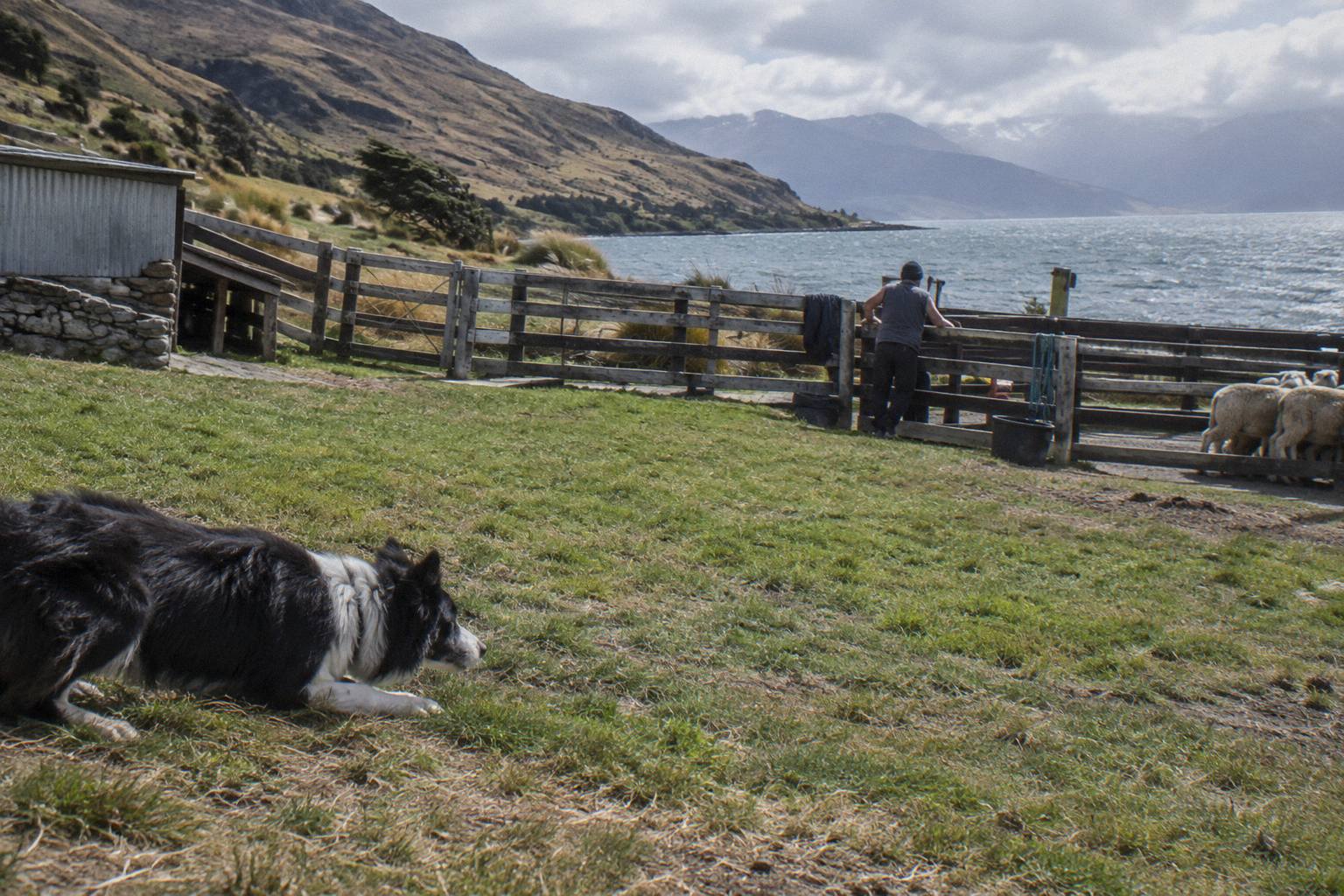
The amphitheatre show is the clearest signal that the farm is functional. Heading dogs, the silent-eyed workers that move sheep by eye and stance, and huntaways, the barking dogs that drive sheep forward, are the two working types used on high-country stations across the South Island, and the demonstration shows both mustering in a paddock in front of the seating. The blade-shearing that follows uses hand blades rather than machine combs, a technique that predates the machine shearing plant and still has a competitive circuit in New Zealand.
The stock list matters in the same way. A property keeping alpacas, deer, pigs and donkeys alongside merino and Highland cattle is carrying a mixed herd, not a single display flock, and the operator's pages name the animals individually because guests ask after them. Dougal, the resident Highland cow, is the one most visitors remember.
The garden-based experience takes the working theme in a different direction. The Garden to Table walk goes through the restaurant's own garden and along the reforested peninsula, and includes planting a native tree or shrub, which feeds directly into the Walter Peak Land Restoration Project that has cleared the 155 hectares of invasive non-native trees and weeds since 2014. That project also built the public walkway along the foreshore to Beach Point.
The natural starting product is the one that bundles the essentials: the lake cruise and farm tour, rated 4.8 from 1,178 reviews, from NZ$139 per person, about 3.5 hours including the crossing, with free cancellation up to 24 hours before start. It covers the cruise, the farm walk with hand-feeding and the tea in the woolshed.
The Farm In Numbers, From 170,000 Acres To 155 Hectares
The property visitors land on is 155 hectares, but its history is the history of a 170,000 acre station: 40,000 sheep, up to 50 full-time staff at peak, and a merino fleece that topped wool sales in New Zealand and Australia three times in the 1930s. The numbers shrank when the original station was subdivided, and the homestead block became today's farm.
| Figure | What It Refers To |
|---|---|
| 155 hectares | Today's Walter Peak High Country Farm at Beach Bay, 13 km from Queenstown |
| 170,000 acres | The station at its historical peak |
| 40,000 sheep | Stock carried at the station's peak |
| Up to 50 staff | Full-time workers at the station's peak |
| Three times in the 1930s | Walter Peak merino fleece topped wool sales in New Zealand and Australia |
| 5 December 2013 | Real Journeys, now RealNZ, bought the 155 hectare property from Convelle Enterprises Ltd |
| 2014 | Walter Peak Land Restoration Project launched |
The lineage runs through names still attached to the landscape. Walter Peak and Cecil Peak are named after Cecil Walter Rees, eldest son of Queenstown founder William Rees, named by surveyor James McKerrow in 1862, per the Wikipedia entry for Walter Peak. Maori used the sheltered bays as camp sites on moa-hunting and pounamu trips to the Mararoa and Oreti Rivers long before the pastoral era. European settlement came in the 1860s with Von Tunzelman, who was forced off by stock deaths, snowstorms and lack of money, and the Mackenzie family took over in the late 1880s and farmed the station for about 80 years. RealNZ credits them with developing many of the principles of successful high-country farming, and the Colonel's Homestead carries the name of Colonel Peter Mackenzie.
The homestead itself was reconstructed in 1977 after an accidental fire, per RealNZ, and now operates as the restaurant where the barbecue products eat. The RealNZ history of Walter Peak walks through the gardens, the homestead and the families, and the gardens date from the 1870s, with a protected Sycamore and Oak among the oldest introduced trees in the region and a native Kauri added in the 1960s.
Farm Versus Station, Two Different Properties
Walter Peak High Country Farm, the 155 hectare RealNZ property visitors land at, and Walter Peak Station, the neighbouring working sheep and cattle station with its own owners, are two different properties that share a name and a boundary. Nothing on this page about the farm applies to the station, and nothing published about the station applies to the farm. Keeping them separate prevents most of the confusion around this question.
The practical reason this matters is news coverage. A vegetation fire broke out near Walter Peak Station on the afternoon of Tuesday 6 October 2026 and burned about 1,350 to 1,400 hectares at its largest, across Walter Peak Station, Cecil Peak Station and adjoining conservation land. Fire and Emergency declared it contained on Thursday 8 October 2026. The fire came within 300 metres of the historic homestead, prompting the evacuation of 350 guests and staff, but no homes, buildings or livestock were lost, and the homestead and farm buildings were undamaged. Coverage of that fire refers to the station and its neighbours, not to the RealNZ farm operation, which runs its normal schedule.
It also matters for expectations. The station is a commercial sheep and cattle operation you will look at across fences and hillsides; the farm is the property you walk, feed and eat on. A reader who arrives thinking the whole 170,000-acre story is on the itinerary will be pleasantly surprised by how walkable 155 hectares is, and the gravel paths run through a compact, deliberately managed landscape rather than an open station block.
The Farm Show, Heading Dogs And Blade Shearing
The show runs in a purpose-built amphitheatre and has two acts: working heading dogs and huntaways mustering sheep, then a live blade-shearing demonstration in the New Zealand blade technique. No length for the show is published, so plan around the overall trip length of about 3.5 hours including the cruise rather than a per-show figure. The demonstration also runs after the barbecue meal for dining products, lit if it is dark.
The two dog types do genuinely different jobs and the demonstration makes the difference visible. Heading dogs work silently, casting out wide and moving sheep with eye and position; huntaways bark on command and push stock forward from behind. On a high-country station those roles are complementary, and watching both work a small mob in a paddock in front of the seating is the closest most visitors get to seeing how a muster actually moves stock across broken country.
Blade shearing is the older craft of the two. Hand blades take a fleece off in long strokes with no machine hum, and the New Zealand blade technique is a distinct school of the skill. The demonstration happens in the amphitheatre as part of the standard farm content, so both farm-tour products and the dining products that include the show cover it.
Which Tours Put You On The Working Farm
The products that land you on the farm itself are the two farm tours, the two barbecue dining products that include the show, the Garden to Table experience and the horse trek. The steamship-only cruise does not land at all, and it is the one trip here without a farm landing. All amounts are New Zealand dollars, prices vary by date and group, and the booking page shows the price for the date.
| Product | What It Includes | Price On The Booking Page |
|---|---|---|
| Queenstown Lake Cruise and Farm Tour | Cruise, farm tour with hand-feeding, tea in the woolshed | From NZ$139 per person, 4.8 from 1,178 reviews |
| Walter Peak Farm Tour and Lake Cruise | Farm tour, shearing demonstration, hotel pickup and drop-off | From NZ$139 per person, 4.8 from 36 reviews |
| Lake Wakatipu TSS Earnslaw Cruise With Guided Farm Tour | Earnslaw crossing, guided farm tour, no full meal | The booking page shows it for the date |
| Walter Peak Gourmet BBQ and Lake Cruise | Cruise, buffet barbecue in the homestead, the show | From NZ$175 per person, 4.8 from 3,272 reviews |
| Walter Peak Garden to Table Experience | Garden walk, peninsula walkway, native tree planting, platter | From NZ$169 per person, 4.8 from 16 reviews |
| Walter Peak Horse Trek and Lake Cruise | Guided 40 minute trek to a lookout, tea afterwards | From NZ$279 per person, 4.6 from 327 reviews |
The shearing-demonstration version earns its place for the pickup alone. Shearing demo with hotel pickup is the only tour covered here with hotel pickup and drop-off included, which matters if you are staying out of the town centre and do not want to budget parking time at the wharf. It runs about 3.5 hours from NZ$139 per person with free cancellation up to 24 hours before start.
The Earnslaw version of the guided farm tour suits readers who want the historic vessel specifically rather than whichever boat is rostered on the day. It boards at the Steamer Wharf, crosses on the 1912 coal-fired steamship and lands for a guided farm tour, with no full meal included, so it pairs well with a plan to eat in Queenstown afterwards. See dates on the booking calendar before locking in a dinner reservation on the same evening.
Practical Things To Know Before You Go
Meet at the RealNZ Visitor Centre, 88 Beach Street, Queenstown, on Steamer Wharf, and allow 30 extra minutes for parking. Free street parking is limited, paid buildings sit at Man Street and Church Street, and the Boundary Street and Ballarat Street car parks are about 15 minutes on foot. Bring non-slip shoes or boots, a warm jacket, sunscreen and a camera. Card payments only, on the vessels and at the farm.
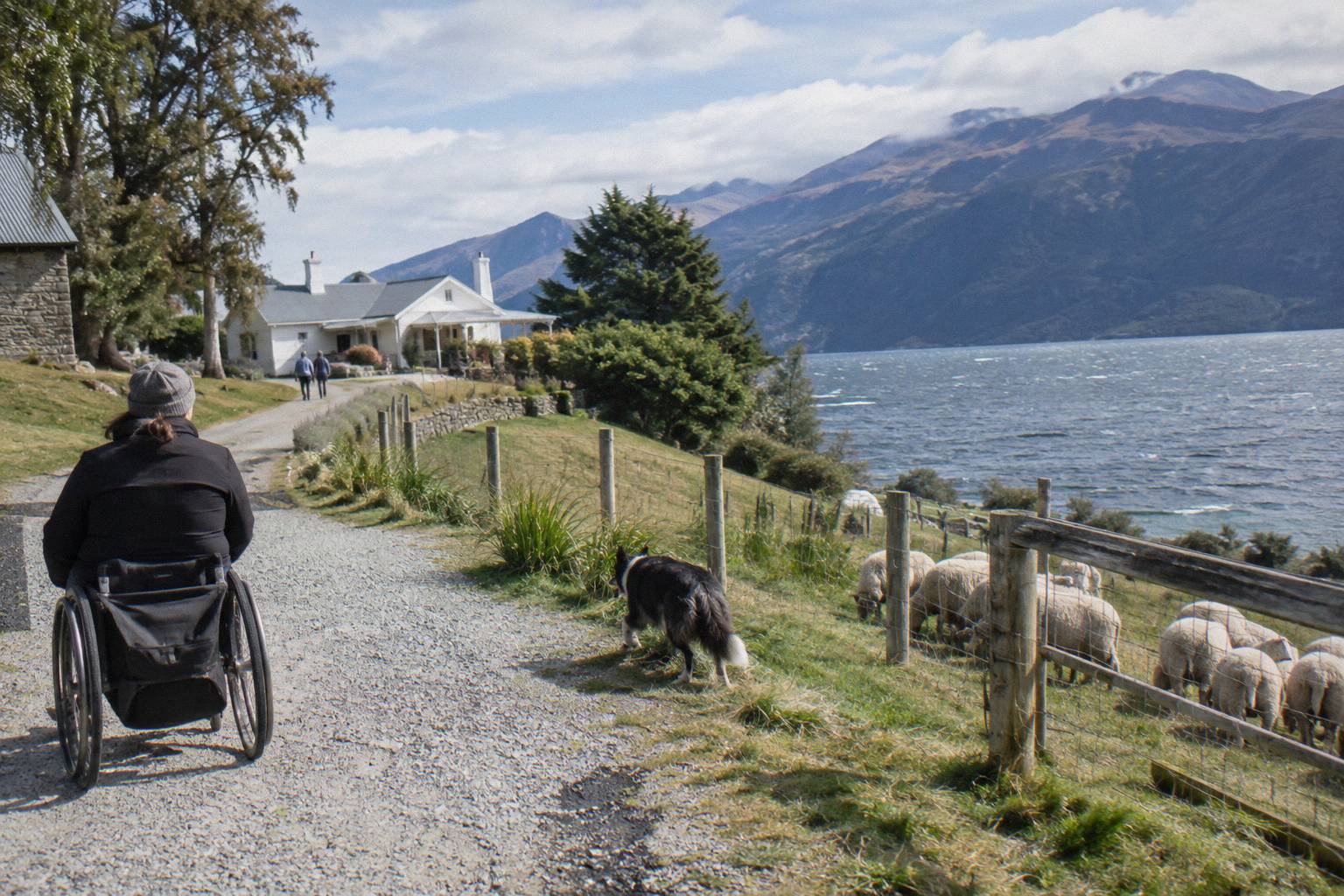
The surfaces are the detail worth planning around. The farm tour runs on gravel paths and an unaided wheelchair user cannot tour it; the barbecue restaurant is wheelchair accessible via an inclined gravel path from the wharf, but the vessels themselves are boarded by ramp and neither is fully wheelchair accessible, and neither has an accessible toilet. The Garden to Table walk is also unsuitable for wheelchair users because of uneven tussock. If accessibility shapes your plans, the dining products work better than the walking ones.
Weather barely touches the barbecue dining itself, which is served indoors in the homestead rooms, with the veranda used in good weather per RealNZ. What weather does touch is the walk to the boat and the dog show in the amphitheatre, so layers beat a single heavy coat. Queenstown runs four seasons in a day, with summer around 19 to 29 degrees and winter around 5 to 10, and the local forecast is a good guide.
Booking ahead is recommended because vessel space is limited, and dining sittings fill in school holidays and peak summer. Every tour covered here allows free cancellation up to 24 hours before start, which makes an early booking low-risk: hold the date, then re-check the forecast closer to the day.
For readers weighing the farm question against other legs of a South Island trip, whether Walter Peak suits your itinerary or what the whole half day looks like hour by hour cover the decision from the planning side, and Walter Peak Farm Tours keeps the full product set in one place.
What Trips People Up Before You Book
The three common mistakes are assuming the farm and Walter Peak Station are the same property, expecting a machine-shearing shed tour rather than a blade demonstration in an amphitheatre, and underestimating check-in and parking time at Steamer Wharf. None of these will ruin the day, but each one changes what you think you bought, and all three are avoidable with one booking decision and one arrival habit.
The farm-versus-station mix-up is the most stubborn. Headlines about the neighbouring station, including the October 2026 fire coverage, sometimes read as though they concern the visitor operation, and they do not. When a friend reports "a fire at Walter Peak," the accurate version is that a fire burned across the neighbouring station and conservation land, was contained on 8 October 2026, and left the homestead and farm buildings undamaged.
The second mistake is expecting a museum-style shearing shed. The blade-shearing demonstration happens in the amphitheatre as a performance of a working skill, with the muster first, and the woolshed on the itinerary is where you take your tea rather than where you watch a machine plant run. Readers after the deep version of the craft can pair the visit with the shearing and sheepdog demonstration guide covering the tours here.
The third is timing. The visitor centre is at 88 Beach Street on Steamer Wharf, and RealNZ asks passengers to arrive well before departure, with 30 extra minutes for parking. Paid buildings at Man Street and Church Street are the reliable option when the free street parking is gone, and the Boundary Street and Ballarat Street car parks sit about 15 minutes on foot. Check the live price and the date on the booking calendar before you build the rest of your day around a sailing.
Common Questions About The Farm Visit
Is Walter Peak A Working Farm?
Yes. Walter Peak High Country Farm is a working high-country farm of 155 hectares at the base of Walter Peak, run by RealNZ, with Highland cattle, sheep including merino, alpacas, deer, pigs and donkeys, a dog-mustering and blade-shearing show, and tea served in the woolshed.
Can You See Working Dogs And Shearing On The Visit?
Yes. The farm show in the purpose-built amphitheatre uses working heading dogs and huntaways to muster sheep, followed by a live blade-shearing demonstration in the New Zealand blade technique. Dining products that include the show run the demonstration after the meal, lit if it is dark.
Is Walter Peak High Country Farm The Same As Walter Peak Station?
No. The farm is the 155 hectare RealNZ property that visitors land at. Walter Peak Station is a separate neighbouring working sheep and cattle station with its own owners. The October 2026 fire burned on the station side, across Cecil Peak Station and conservation land, and the farm's homestead and buildings were undamaged.
How Long Is A Farm Visit At Walter Peak?
About 3.5 hours including the 45 minute cruise each way on the standard products. RealNZ also lists 3 hours 45 minutes on its destination page for the same trips, so plan a half day with a buffer rather than a tight connection.
Which Animals Are At Walter Peak Farm?
The animals named on RealNZ pages are Highland cattle, including the resident cow Dougal, sheep including merino, alpacas, deer, pigs and donkeys. Hand-feeding is part of the farm tour. Ask the operator about anything beyond that list.
Is The Farm Tour Suitable For Wheelchair Users?
The farm tour runs on gravel paths and an unaided wheelchair user cannot tour it. The barbecue restaurant is wheelchair accessible via an inclined gravel path from the wharf, but the vessels are boarded by ramp and neither is fully wheelchair accessible, and neither has an accessible toilet.