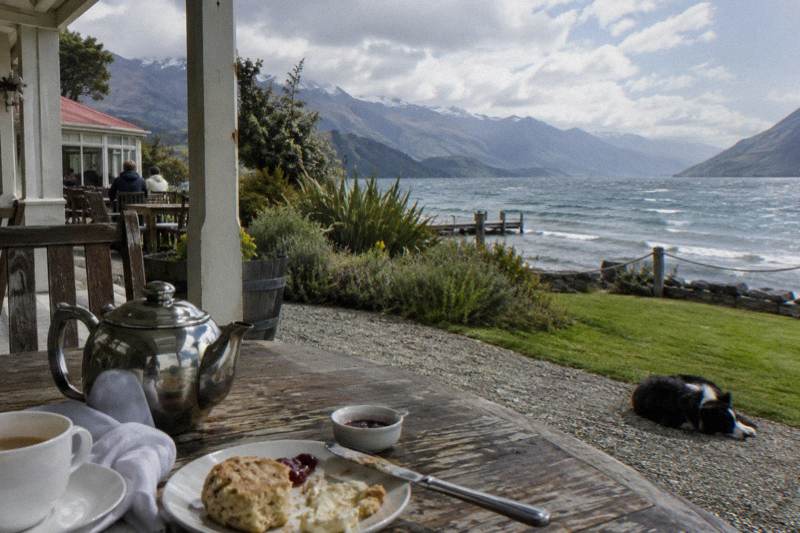
What To Wear And Bring To Walter Peak
The crossing to Walter Peak is open to the weather and the farm is gravel paths and paddocks, so the kit you carry decides how the day feels. RealNZ publishes a short list of what to bring, and the horse trek adds helmets and wet-weather gear of its own.
Short answer
Wear non-slip shoes or boots and bring a warm jacket, sunscreen, a camera and personal medication: that is the operator-stated list for every Walter Peak trip. Typical Queenstown temperatures run 19 to 29 °C in summer and 5 to 10 °C in winter, so layer for four seasons in one day. Payment on the boats and at the farm is card only, so leave cash behind.
Everything on this page is about one decision: how to spend a day at the working farm, part of the on-the-day planning that follows once a date is booked. The clothing questions here apply to every product that lands at Walter Peak High Country Farm, from the afternoon-tea farm tour to the BBQ buffet and the horse trek. The advice comes from what the operator publishes about its own trips, and the planning notes that follow stick to what RealNZ states about its vessels, its farm and its seasons.
| Fact | Detail |
|---|---|
| Operator-stated kit list | Non-slip shoes or boots, warm jacket, sunscreen, camera, personal medication |
| Summer typical range | 19 to 29 °C |
| Winter typical range | 5 to 10 °C |
| Crossing time | 45 minutes on the TSS Earnslaw, about 30 to 35 minutes on the Spirit of Queenstown |
| Horse trek extras | Helmet and wet-weather clothing provided |
| Horse trek limits | Minimum age 7, minimum height 120 cm, maximum weight 95 kg |
| Payment | Card only on the vessels and at the farm |
| Meeting point | RealNZ Visitor Centre, Steamer Wharf, 88 Beach Street, Queenstown |
What Should You Wear For The Lake Crossing?
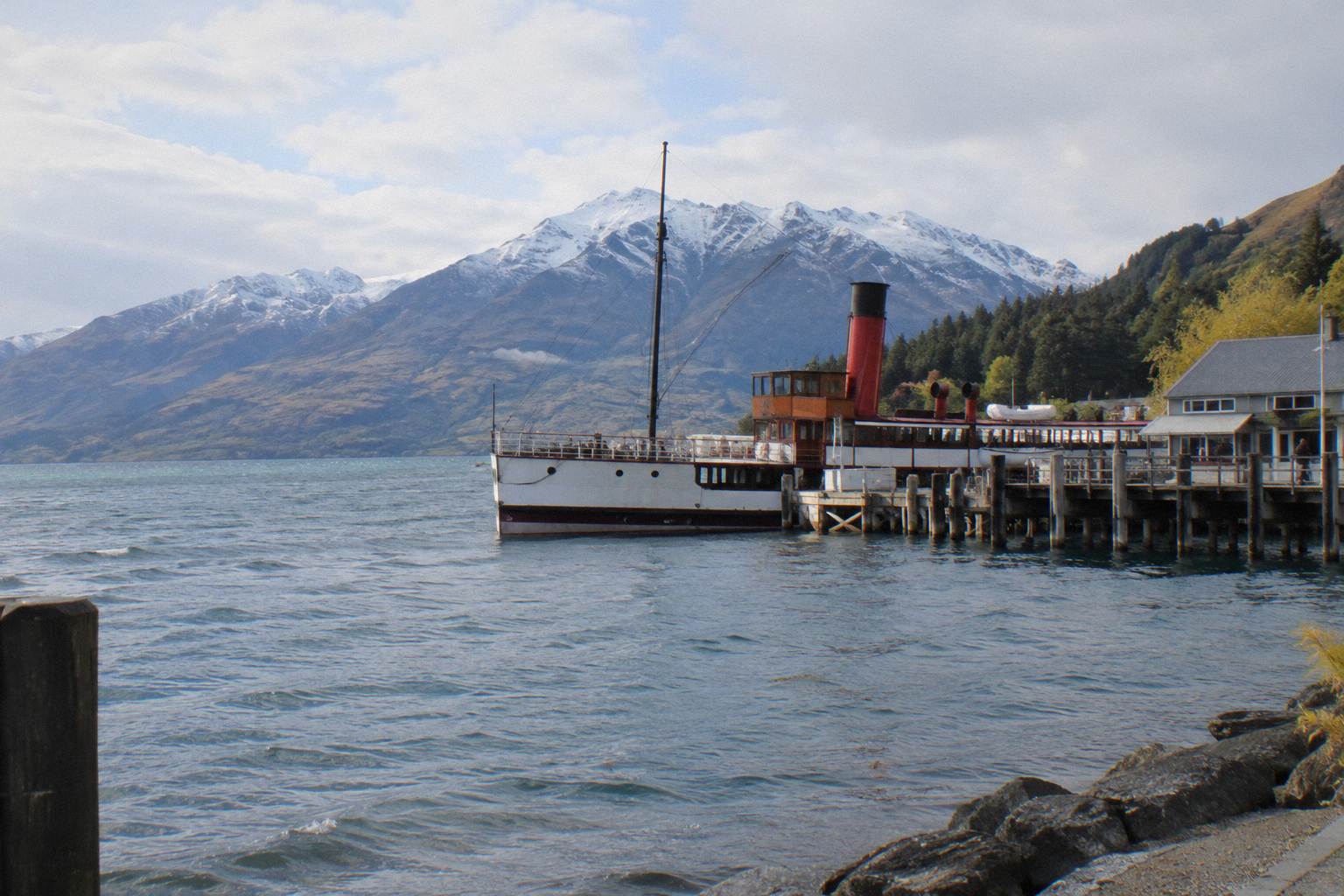
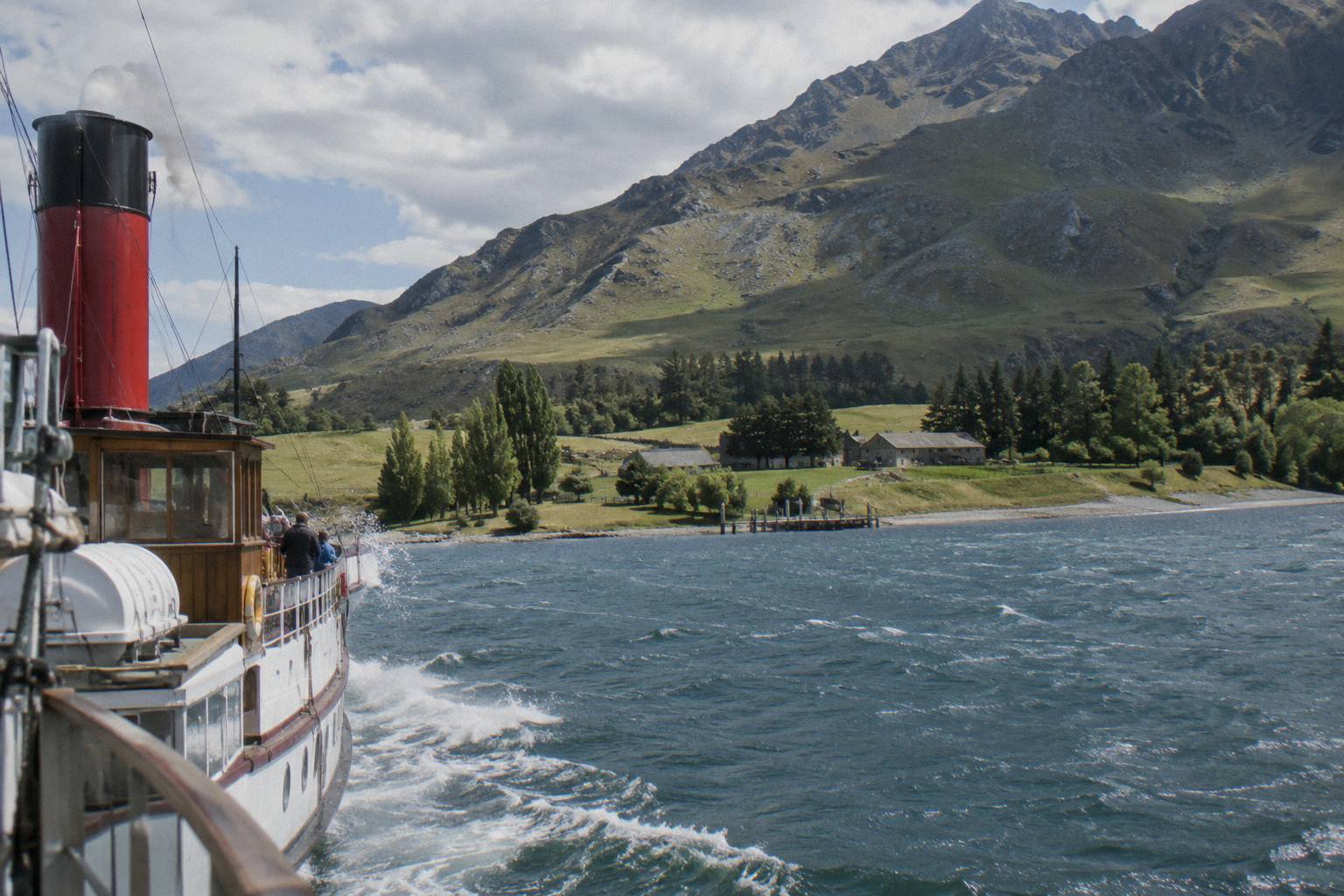
The crossing is the part of the day most exposed to the weather: 45 minutes each way on the TSS Earnslaw, or about 30 to 35 minutes on the Spirit of Queenstown, with the outer decks open to the wind off Lake Whakatipu. RealNZ describes Queenstown weather as four seasons in a day and points to the town forecast as a good guide. Inside the Earnslaw there is seating, a mini-museum, the Promenade Cafe and a licensed bar.
Layering solves the crossing better than one heavy coat. A warm mid-layer under a windproof or showerproof outer jacket lets you stand at the bow for the departure view of Queenstown and drop a layer in the cabin ten minutes later. RealNZ says visitors can go below to the engine room and stoker room, which the operator describes as warm and loud, so a mid-layer you can tie around your waist earns its place on a warm afternoon and serves you again the moment you climb back up into the lake breeze. The Wikipedia entry for the TSS Earnslaw covers the vessel's 1912 build and coal-fired engines if you want the background before standing over the stokers.
Footwear matters on deck as much as on the farm. The vessels are boarded via ramps, and the wharf at the Walter Peak end meets gravel paths, so non-slip shoes or boots are the operator's stated recommendation rather than a suggestion. Smooth-soled dress shoes, thongs and new sneakers with unscuffed soles all struggle on a wet ramp, and the same shoes then carry you up the path toward the homestead. One pair of broken-in, grippy shoes covers the ramp, the deck and the paddock edges in a single decision.
A few practical notes sit alongside the clothing choice. Payment on both vessels and at Walter Peak is card only, so there is no reason to carry cash for the crossing, the cafe or the bar. Neither vessel is fully wheelchair accessible and neither has an accessible toilet, a detail covered in full in the accessibility and pushchair guide. If you are still deciding whether the steamship or the modern catamaran suits your group, the comparison of the RealNZ cruise options lays out the differences in one place, including the crossing times and what each vessel offers on board.
The crossing is also the quietest stretch of the day, and the kit list reflects that. Live piano plays on some Earnslaw sailings, the museum cases line the lower deck, and the engine room visit takes ten minutes on its own, so a book or a phone loaded with photos of the vessel is optional rather than essential. What earns space in a pocket is the camera: the departure view back toward Queenstown and the approach to the western shore are two of the most photographed stretches of the lake.
The two crossings reward slightly different thinking on the same kit. On the Earnslaw, the covered seating, cafe and bar mean you can rotate between the outer deck and the cabin as the wind and the light change, so a tie-around mid-layer and a jacket that packs small cover both ends of that rotation. On the Spirit of Queenstown, the shorter 30 to 35 minute run leaves less time to settle indoors, so it pays to dress for the deck at the start rather than planning to warm up partway through.
One way to picture the day is three clothing decisions stacked on top of each other: the crossing layer, the farm layer, and whatever the town forecast says about the hours before and after you sail. Because RealNZ itself points to the Queenstown forecast as the guide, checking it on the morning of travel tells you whether the outer jacket stays on for the whole trip or spends the return leg stowed under a seat while you stand at the rail with the camera.
What To Wear Walking Around The Farm?
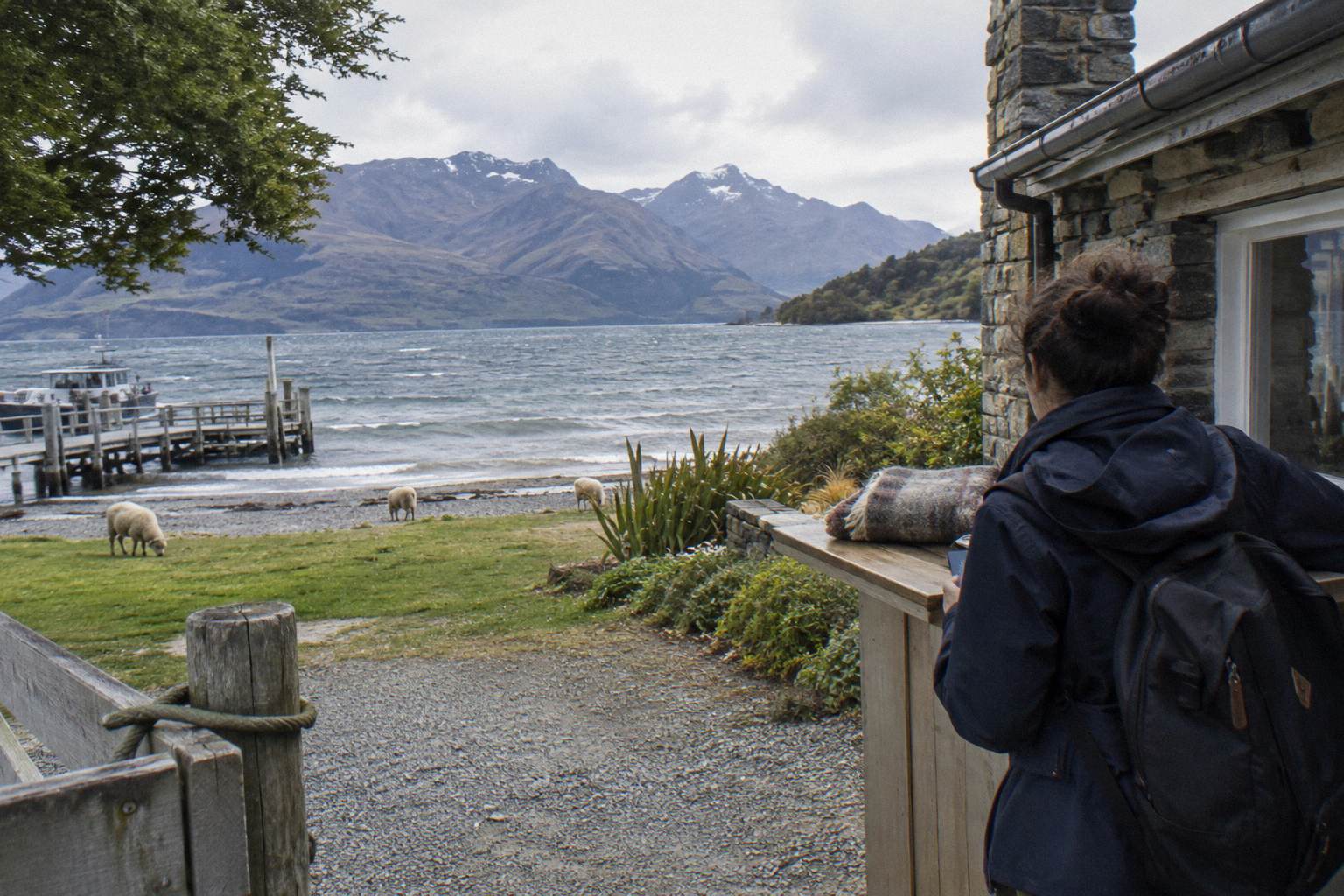
Wear closed non-slip footwear and a warm outer layer, since you will be on gravel paths, paddock edges and the amphitheatre where the sheepdog and shearing show runs. The BBQ dining happens indoors in the homestead rooms, which RealNZ says keeps weather out of the meal apart from the walk to the boat and the dog show, so that walk and the show are where your kit earns its keep.
The farm tour products walk the same ground as the dining products. Afternoon tea for the farm tours is served in the woolshed, and the show sits in the open, so plan for a stretch of standing or bench sitting in whatever the day delivers. In winter RealNZ notes the animals carry heavy coats, the farm is quieter and the Remarkables sit snow-capped behind the show; in spring there are lambs. None of that changes the kit, but it changes how glad you are to have the warm jacket zipped up while the dogs muster.
The choice of product does shape the outfit slightly. The "Queenstown: Queenstown Lake Cruise and Walter Peak Farm Tour" keeps the day to the cruise, the farm walk, the show and afternoon tea, from NZ$139 per person, with 4.8 from 1,178 reviews on the booking page. The "Queenstown: Walter Peak Gourmet BBQ & Lake Whakatipu Cruise" from NZ$175 per person swaps the woolshed tea for the homestead buffet, so you are indoors for a longer stretch and the outfit skews slightly smarter. The RealNZ guide to a day at the farm walks through the animals, the show and how the seasons change the visit.
One clothing note that catches families: the Garden To Table Experience walks uneven tussock on the reforested peninsula, and RealNZ states it is not suitable for wheelchair users for the same reason. Ankle-supporting shoes rather than flat sneakers serve that walk, and the same advice applies to anyone unsteady on rough ground. Families weighing the whole day, from pushchairs to the amphitheatre bench seating, can pull more detail from the farm visit with kids guide.
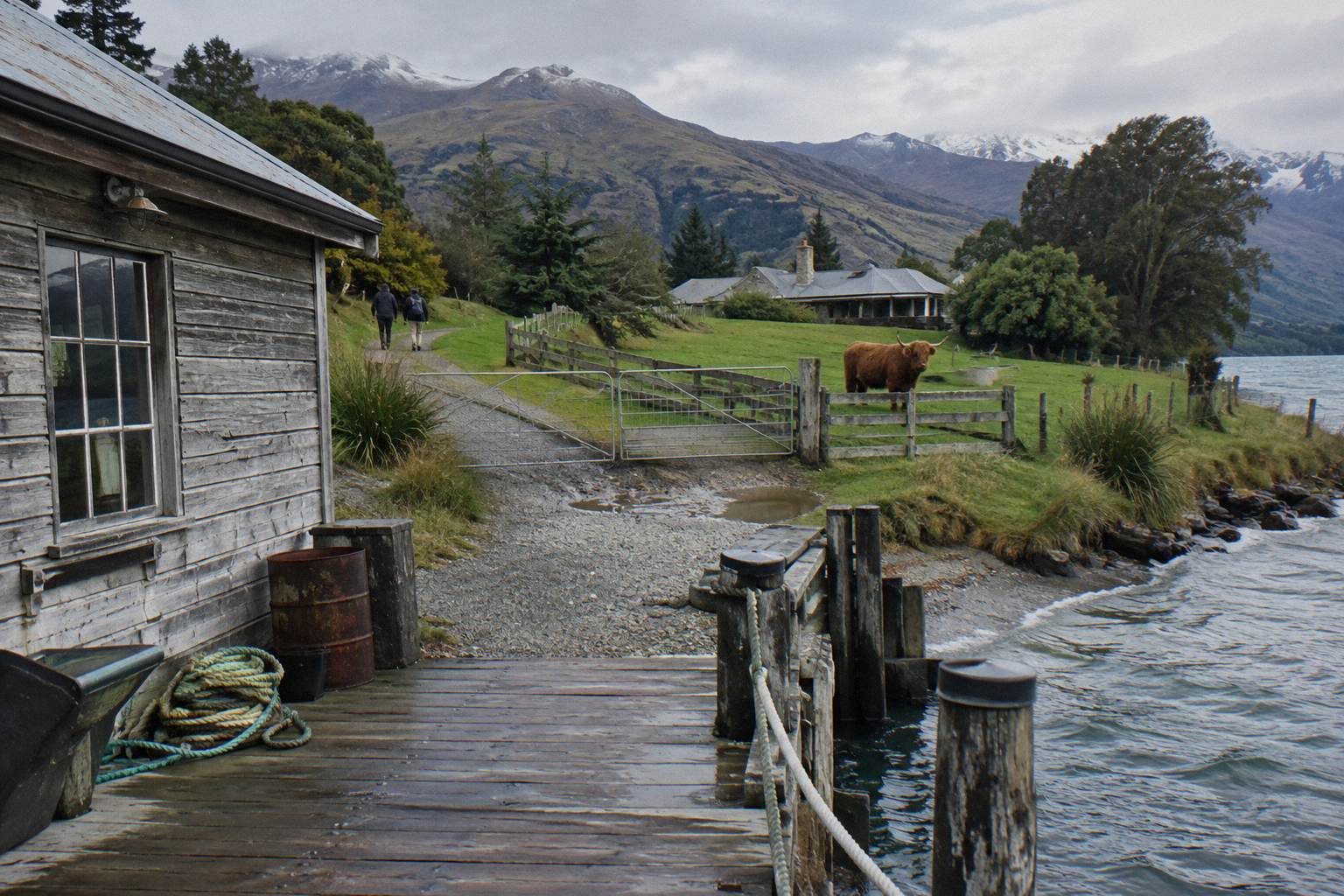
Hand-feeding is part of the farm tour, which is where the footwear and jacket advice meets practicality. The animals named on the operator's pages include Highland cattle, sheep, alpacas, deer, pigs and donkeys, and the resident Highland cow is Dougal. An animal-feed session involves standing at a fence line on gravel, sometimes with a light breeze carrying dust, so a jacket that sheds a mark beats a dry-clean-only coat every time.
How Does The Kit Change With The Season?
Queenstown runs four distinct seasons and the farm operates in all of them, so the kit list flexes rather than rebuilds: typical summer sits 19 to 29 °C, autumn 15 to 25 °C, winter 5 to 10 °C and spring 9 to 15 °C, and sunscreen stays in the bag year-round because the lake doubles the exposure. The shoes and the jacket stay constant; the layers between them are what you add or strip as the day turns.
| Season | Typical range | Wear | Bring |
|---|---|---|---|
| Summer, October to April | 19 to 29 °C | Non-slip shoes, light layers, sun hat | Sunscreen, warm jacket for the deck, camera, medication |
| Autumn | 15 to 25 °C | Boots, warm mid-layer, windproof | Sunscreen, jacket, beanie for evening sailings |
| Winter | 5 to 10 °C | Boots, warm coat, hat and gloves | Camera, medication, spare warm layer for the amphitheatre |
| Spring | 9 to 15 °C | Boots, showerproof outer layer | Sunscreen, warm jacket, camera, medication |
Two seasonal details are worth more than the rest of the list combined. First, the summer departure pattern on the Earnslaw runs 9:00am, 11:00am, 1:00pm, 3:00pm, 5:00pm and 7:00pm from October to April, so a 5:00pm sailing returns after sunset in the shoulder months and the warm jacket earns its slot even on a 25 °C afternoon. The Earnslaw departure times guide covers the pattern in full. Second, the winter visit is the quiet one: RealNZ describes heavy-coated animals and a snow-capped Remarkables backdrop, which suits photographers, and the winter visit guide expands on what changes between May and September.
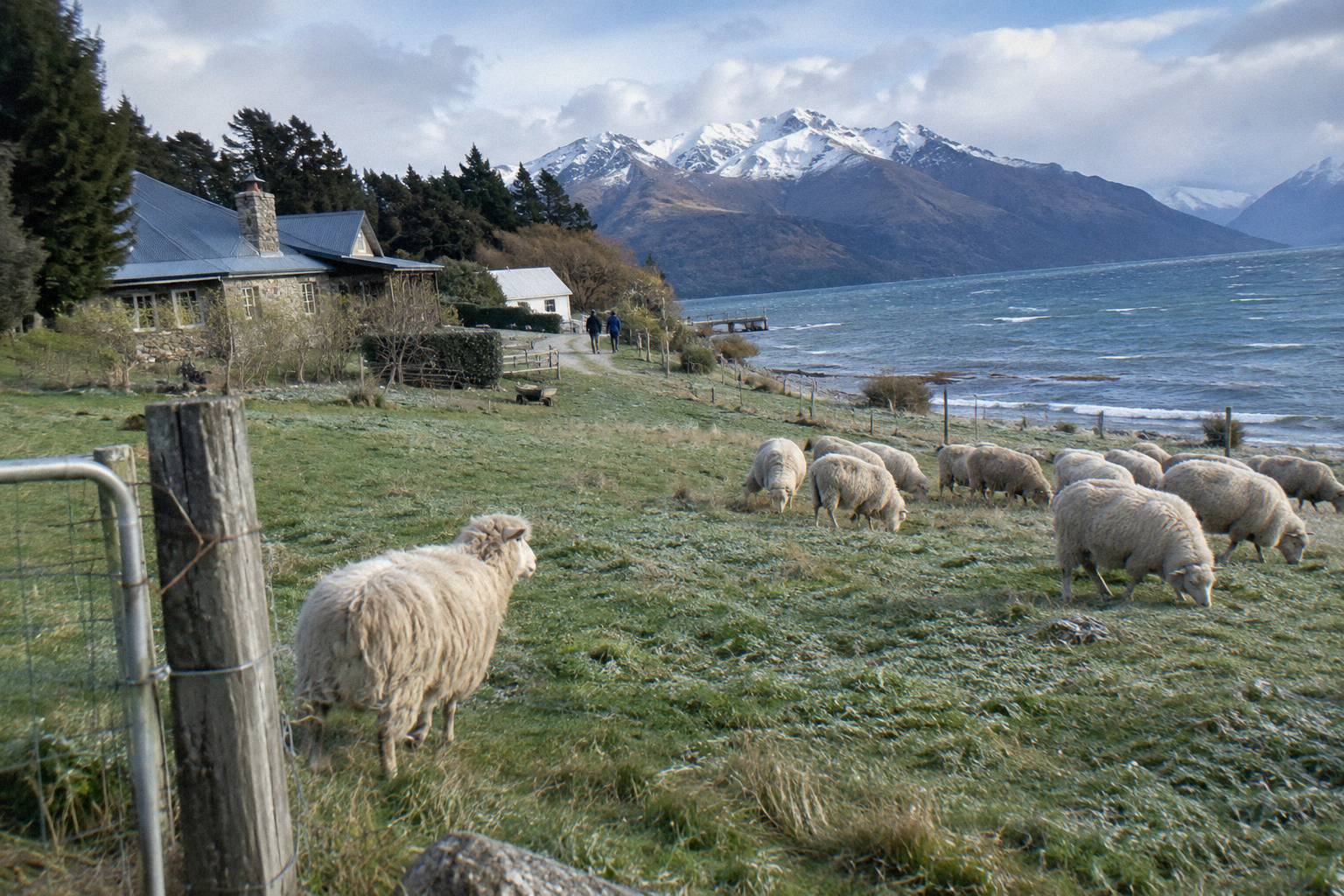
Spring deserves its own word because it is the season people misjudge most. The 9 to 15 °C range reads mild, but spring in the southern lakes mixes warm sun with cold southerly changes inside a single sailing, and the lambs RealNZ highlights arrive with it. A showerproof outer layer over a warm mid-layer, plus the sunscreen, covers a spring day better than either a summer or a winter outfit on its own.
If the season is still open, the best time to visit guide helps you pick a month before you pick a wardrobe. Booking ahead is recommended regardless of season because vessel space is limited, and dining sittings fill over school holidays and peak summer. Whatever month you land on, the free cancellation window up to 24 hours before start gives you room to move the date if the forecast turns.
Does The Horse Trek Need Different Clothing?
The horse trek is the one product where the operator supplies kit: helmets and wet-weather clothing are provided, alongside a guided 40 minute trek to a lookout that RealNZ calls suitable for all abilities, with tea at the Colonel's Homestead afterwards. The rider's job is the base layer, the footwear and the limits: minimum age 7, minimum height 120 cm and maximum weight 95 kg are the stated rules for the horse products.
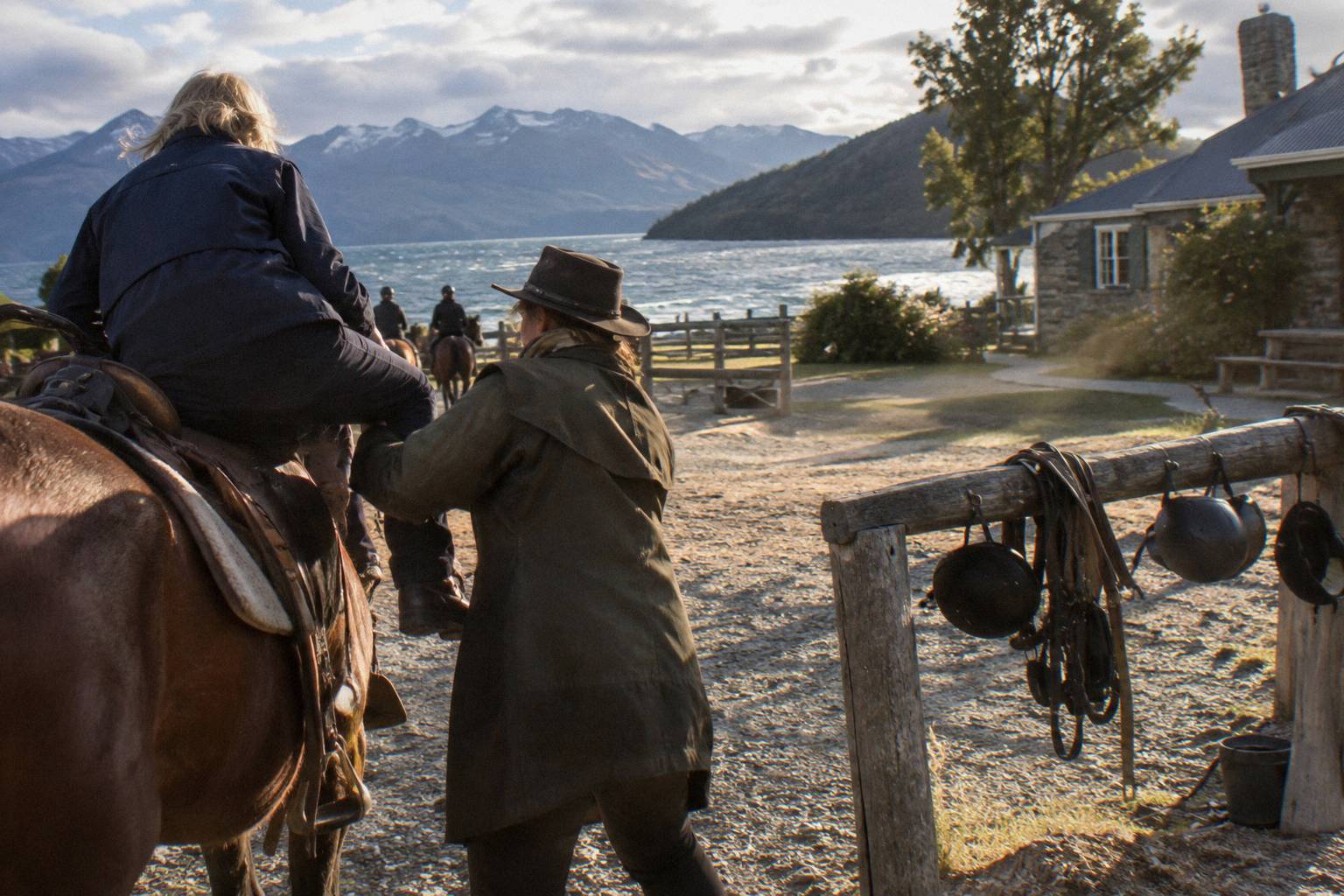
That means you pack less for the trek than you might expect and check more. Long trousers beat shorts for saddle time, and closed boots with a small heel or a firm sole beat sneakers. The helmet is provided, so leave the bike helmet at home. Wet-weather clothing is provided too, which matters because the trek runs in the same four-seasons-in-a-day weather as everything else on this page. Food and drinks onboard the vessel cost extra on this product, so budget a card for the cafe rather than assuming a meal is folded into the fare.
| Product | Kit provided | Kit you bring | Clothing note |
|---|---|---|---|
| Horse Trek, Lake Cruise | Helmet, wet-weather clothing | Non-slip boots, long trousers, warm jacket | Age 7+, height 120 cm+, weight up to 95 kg |
| Farm Tour, afternoon tea | Nothing stated | Full kit list | Woolshed tea served indoors |
| Gourmet BBQ or BBQ Buffet | Nothing stated | Full kit list | Meal indoors in the homestead |
| Garden To Table | Nothing stated | Ankle-supporting shoes | Uneven tussock on the peninsula walk |
The "Queenstown: Walter Peak Horse Trek & Queenstown Lake Cruise" runs from NZ$279 per person with 4.6 from 327 reviews on the booking page, and a check of the live dates shows the calendar before you commit to the kit. Beginners unsure about the saddle can read the horse trek expectations guide first. A second horse product, "Half Day Walter Peak Horse Trek and Cruise from Queenstown", rides the same limits with the price shown on the booking page for the date, and the catamaran or Earnslaw carries the cruise leg.
The height and weight limits are worth measuring before booking day rather than at the wharf. The 120 cm minimum and the 95 kg maximum belong to the horse products only, and neither applies to the walking farm tour, so a family with a keen six-year-old rider still has a full farm day available. Helmets and wet-weather clothing are provided on the trek products, which removes two items from a child's packing list and two arguments from the morning.
What Should Be In Your Day Bag?
Five items make up the operator-stated list: non-slip shoes or boots worn rather than carried, a warm jacket, sunscreen, a camera and personal medication. Around those, a small day bag holds a card for payment, a water bottle for the farm walk and a spare layer for the amphitheatre. Nothing on the list is exotic, and the farm is a day trip, so the bag stays small by design.
Sunscreen is the item people skip and regret. The lake reflects sun from below while the Otago sky delivers it from above, and a 3.5 hour product spends roughly half its time outdoors between the deck, the wharf walk and the show. A camera covers the crossing, the animals and the amphitheatre; Highland cattle, alpacas, deer, pigs, donkeys, sheep and the resident Highland cow Dougal are the named animals on the farm, and the farm animals guide lists what each visit actually reaches.
Personal medication deserves a sentence of its own. A 3.5 hour product is a 3.5 hour product whether or not the sun is out, and the operator's list names medication deliberately alongside the camera and the jacket. Anyone who might need an inhaler, an epipen or a heart pill mid-crossing should carry it on their person rather than in a bag checked at the wharf, since the return sailing waits for no one and the farm has no pharmacy.
Dietary needs belong in the booking rather than the bag. RealNZ asks that dietary requirements are flagged in advance so the kitchen can prepare, with vegetarian dishes on the buffet; the specifics are in the vegetarian and gluten-free BBQ meals guide. Alcoholic drinks and some onboard food cost extra on several products, so the card in your pocket is the real fourth essential. This is the planning reality that Walter Peak Farm Tours builds its on-the-day guidance around: short lists, operator-stated, nothing improvised.
How Early Should You Arrive At The Wharf?
Plan to arrive at least 30 minutes before your check-in time, plus another 30 minutes for parking, since free street parking near Steamer Wharf is limited and the paid options sit about a 15 minute walk away. If you are booked on the BBQ buffet, arrive 30 minutes early; with pre-purchased tickets you can meet directly in front of the TSS Earnslaw at the dock, or at the RealNZ Visitor Centre at 88 Beach Street.
The kit connection is simple: the walk from a far car park is the first gravel and weather exposure of the day, so the boots and jacket go on at the car, not at the wharf. Budgeting the extra half hour also removes the sprint down Beach Street that turns a relaxed crossing into a stressful one, and it buys time for a toilet stop before a 45 minute sailing with no accessible toilet on board. The Steamer Wharf check-in and parking guide maps the buildings and the walking routes in detail.
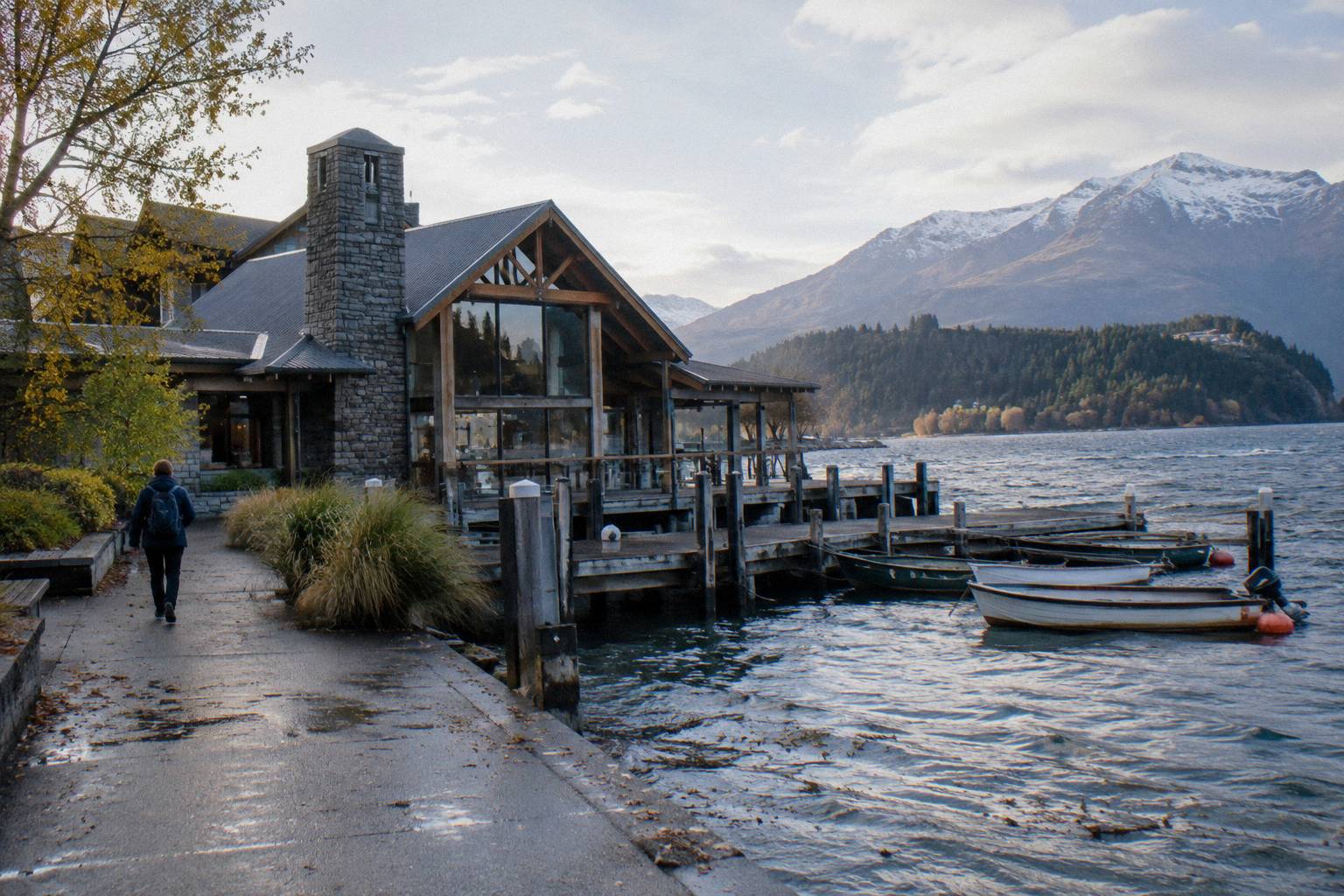
Booking ahead is recommended because vessel space is limited, and the booking calendar holds every departure time rather than a fixed timetable. In the annual maintenance window from May to early July, the Spirit of Queenstown serves Walter Peak and cuts the crossing to about 30 to 35 minutes, per the RealNZ Walter Peak farm page. Whether a trip is worth booking in advance is answered fully in the do you need to book ahead post. If a full driving arrival is on your mind instead, the how to get to Walter Peak guide covers the water route and the long gravel alternative.
What Trips People Up Before You Sail?
Most kit problems on a Walter Peak day come from three habits: dressing for the Queenstown air temperature instead of the lake, carrying cash for a card-only operation, and arriving with no parking buffer. Fix those three and the day runs on the operator's plan. The equipment list is short by design, and every item on it is stated by RealNZ rather than improvised here.
| Mistake | What happens | The fix |
|---|---|---|
| Dressing for the town, not the lake | Cold decks and a cold amphitheatre on a warm afternoon | Base layer plus warm jacket, adjust on board |
| Bringing cash only | Nothing to spend on board or at the farm | Bring a card, payments are card only |
| Flat-soled shoes on a wet ramp | Slips at boarding and on gravel paths | Non-slip shoes or boots |
| No parking buffer | A rushed walk that eats the check-in window | Allow 30 minutes beyond check-in |
| Skipping sunscreen | Sun off the lake burns fast at any temperature | Sunscreen in the day bag, applied before boarding |
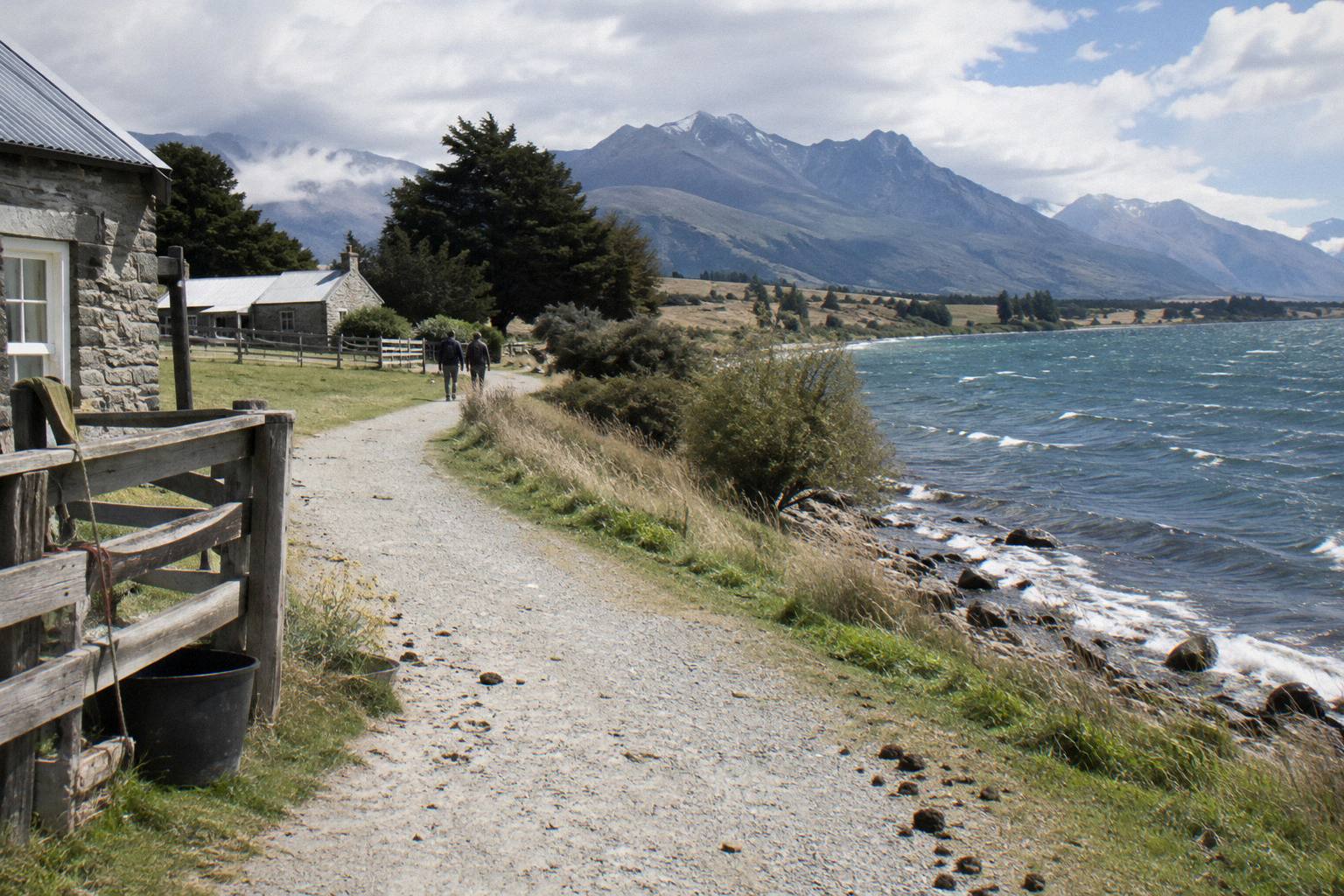
A quieter failure mode is overpacking. Because Walter Peak is a day trip with no lodge or camping option, there is no scenario where a large suitcase helps; the day bag with the five stated items plus a card and a water bottle covers every trip covered here. The horse trek even removes the rain jacket question by providing wet-weather clothing. If weight or mobility is a concern, the accessibility guide linked above explains which parts of the visit are open to whom.
Common Questions About Clothing And Kit
What Shoes Should I Wear To Walter Peak?
Non-slip shoes or boots, per the operator's stated list. The vessels board via ramps and the farm runs on gravel paths, so closed shoes with grip serve every part of the day, from the deck to the amphitheatre to the paddock edges.
Is A Jacket Needed In Summer?
Yes. Typical summer runs 19 to 29 °C but the outer decks and the open amphitheatre sit in the lake wind, and 5:00pm and 7:00pm summer sailings return after the day cools. The warm jacket is on the operator's list year-round.
Does The Horse Trek Provide Riding Gear?
Yes. Helmets and wet-weather clothing are provided on the horse trek products. Riders bring long trousers and firm closed footwear, and meet the limits of age 7 or older, 120 cm or taller and up to 95 kg.
Can I Pay With Cash On The Boat Or At The Farm?
No. Payment on the TSS Earnslaw, the Spirit of Queenstown and at Walter Peak is card only, so a card covers the cafe, the bar and anything at the farm.
Do I Need To Bring Food?
No product requires it. The farm tours include afternoon tea, the BBQ products include the buffet, and the horse trek ends with tea at the Colonel's Homestead. Onboard food and drinks beyond the inclusions cost extra on some products.
What Should I Wear In Winter?
Warm coat, hat, gloves and boots against a typical 5 to 10 °C range, with the same non-slip footwear as every other season. Winter brings heavy-coated animals and a snow-capped Remarkables backdrop, per RealNZ, and the BBQ meal itself is served indoors.